Choose the seven keyword phrases KDP gives you the way readers search — situations, subgenres, and "books like" intent in two to four words — not the way writers describe their art. Per KDP's help pages, each title gets seven keyword slots plus three category picks at upload, expandable to ten, and stuffing any of it with bestseller names is a stated violation, not a growth hack.
What is book metadata, and why does it decide discoverability?
Metadata is everything the store indexes about your book besides the file itself: title, subtitle, author name, keywords, categories, and description. Search engines and category charts run on these fields. When nobody knows your name, metadata is the entire discovery surface — readers find books by typing phrases, and either your book matches or it does not exist.
Libraries solved this problem decades ago with subject cataloging, and the Library of Congress's online catalog is still the clearest demonstration of the principle: every work is findable through structured descriptions rather than luck. Stores operate the same way with commercial stakes. Two identical novels differ only in metadata; one surfaces for "enemies to lovers fantasy," the other languishes on page nine of a generic search. Your cover stops browsers; your metadata starts the visit. Treating the upload form as paperwork — dashing off keywords in the parking lot of the publishing dashboard, so to speak — wastes the one free visibility channel every store hands you before a single ad is bought.
How do you research keywords readers actually type?
Free and in plain sight: the store's own search autocomplete. Type a genre stem letter by letter and record every suggestion the box offers — those phrases are search demand, sorted by real reader behavior. Cross-check against bestseller subtitles in your category and the phrasing of also-boughts.
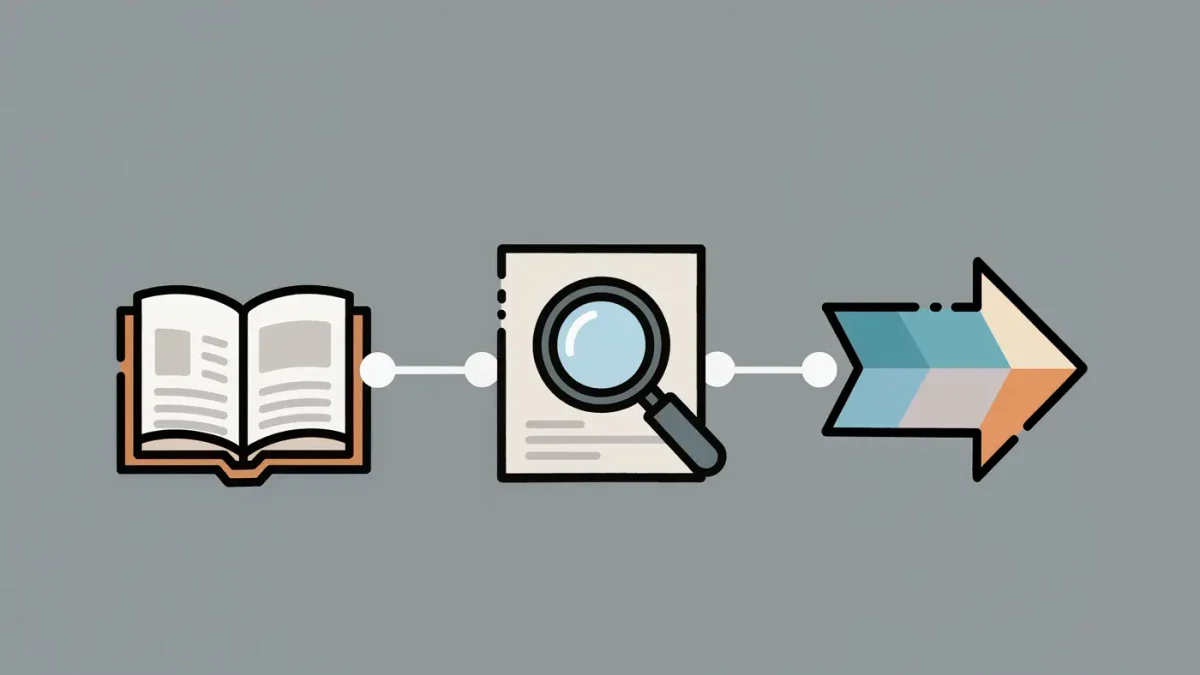
The method, end to end:
- Open the store you publish on and type your genre root — "psychological thriller," "cozy mystery" — pausing on each word to harvest autocomplete suggestions.
- Collect twenty to thirty candidate phrases in a spreadsheet.
- Search each phrase and note how many strong matches return; you want real demand with room to rank.
- Study the subtitles of top results — repeatable descriptive phrases there are proven metadata.
- Shortlist seven phrases spanning subgenre, situation, and audience ("who it's for" intent).
How do you fill the seven slots without wasting them?
One distinct phrase per slot, no commas required, and zero repetition of words the store already indexes — your title, subtitle, author name, and categories are searched automatically, per KDP's help pages. Spend each slot on a new doorway: a subgenre, a situation ("second chance romance"), a setting or trope, an audience descriptor.
Repetition feels diligent and does nothing: writing "thriller" in five slots indexes the word once. Mix widths instead — one broad phrase for volume, three specific ones where a new title can actually rank, two audience-phrases like "novels for book clubs," and one format or content angle if it genuinely fits ("novella," "hard science fiction"). Every phrase must read as something a human would type into a search box, because that is precisely what the field is: a transcription of reader intent. If a phrase would embarrass you spoken aloud to a customer across a bookstore counter, it does not belong in the field.
Categories: three picks at upload, ten eventually — which and why?
Mix one broad category for legitimacy with two narrowly specific ones where a new release can realistically chart. Category bestseller flags come from ranking inside a niche, and #47 in a precise subcategory outranks invisible in a mega-category. After upload, request additional placements through support with a one-line justification per request, up to the ten-category ceiling.
The narrow-category logic is simple arithmetic: a mega-category needs hundreds of sales a day to chart; a precise subcategory can flag your book as a bestseller on a good launch week, and that orange flag is visible social proof that feeds clicks. Browse the category tree before upload rather than accepting defaults, and re-check placements quarterly — stores reorganize taxonomies quietly, and a title can drift out of its niche without anything "breaking." Categories also feed the also-bought graphs that recommend your book to strangers, which makes them discovery infrastructure, not decoration.
Which metadata mistakes actually get books punished?
The prohibited ones, first: per KDP's metadata guidelines, referencing bestseller titles, other authors' names, or trademarked terms in keywords or titles is a violation that can cost the listing — "a story for fans of" a famous name is the classic self-inflicted wound. Beyond violations, two silent killers: wasted slots repeating indexed words, and keyword-stuffed subtitles that read like ransom notes to the very readers they chase.
Symptoms you can self-diagnose in an afternoon: your book appears for its exact title but nothing else; every keyword slot reuses the genre word from the title; the subtitle is a comma-spliced list of tropes visible to customers. Fix in order of leverage — subtitle phrasing first (it is customer-facing and indexed), then keywords, then category requests. Change one element at a time and give each a few weeks of sales data before judging; metadata works slowly, which is also why it is durable.
Frequently asked questions about book metadata
Do keywords affect anything besides search results?
They can influence which search and recommendation contexts the store considers relevant for your book, and some retailers use them to validate category placement. The primary job is search relevance: matching the phrases readers type. Write for readers and the algorithm follows.
Can I name a famous book or author in my keywords?
No. KDP's guidelines explicitly prohibit references to bestsellers, other authors, and trademarked terms in metadata — the same rule the competition claims to have gamed and did not. Beyond the policy risk, it misleads shoppers, and misled shoppers leave the reviews that hurt most.
Should my subtitle carry keywords too?
Yes, but readable ones. The subtitle is indexed and visible, so a natural phrase like "A Coastal Small-Town Romance" earns search relevance while still promising readers a book. A trope laundry list may match more searches while convincing fewer humans to click any of them.
How often should I revise my metadata?
Review after the first sixty to ninety days, then quarterly. If the book surfaces only for its exact title, the keywords need surgery; if it surfaces but does not convert, the cover and description are the patients. Change one field at a time so you can tell what worked.