
Authors
Authors Like Emily Henry: What to Read Next
Five writers who share Henry's banter-first, summer-set romance style, and what each one does differently.
Profiles of authors publishing digitally, many of them independently: drafting routines, release schedules, pricing decisions, newsletter and serial audiences, and why some declined a traditional contract. Numbers are included when writers share them. For readers curious about the people behind the files they buy.
Five writers who share Henry's banter-first, summer-set romance style, and what each one does differently.

Persuade, inform, entertain, express — the four reasons behind almost every book, and how to spot them.

There is no fixed per-page rate. Here is the formula Amazon actually uses to turn borrowed pages into author royalties.
How to handle your first bad review: read it once, mine it for signal, and leave the reply box empty — your catalog does the talking.
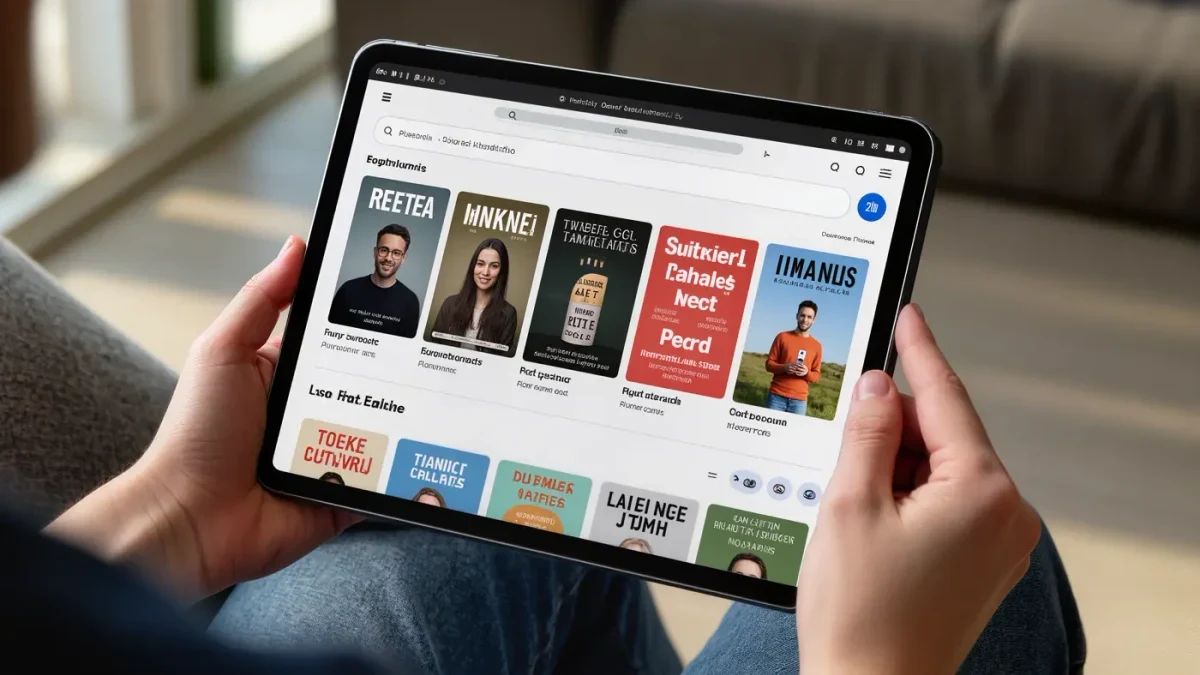
E-book metadata and keywords decide who finds your book when nobody knows your name — here is how to fill every slot the way readers actually search.

To turn one book into a series, plant open threads before book one publishes, give every volume a complete arc, and release on a rhythm readers can trust.
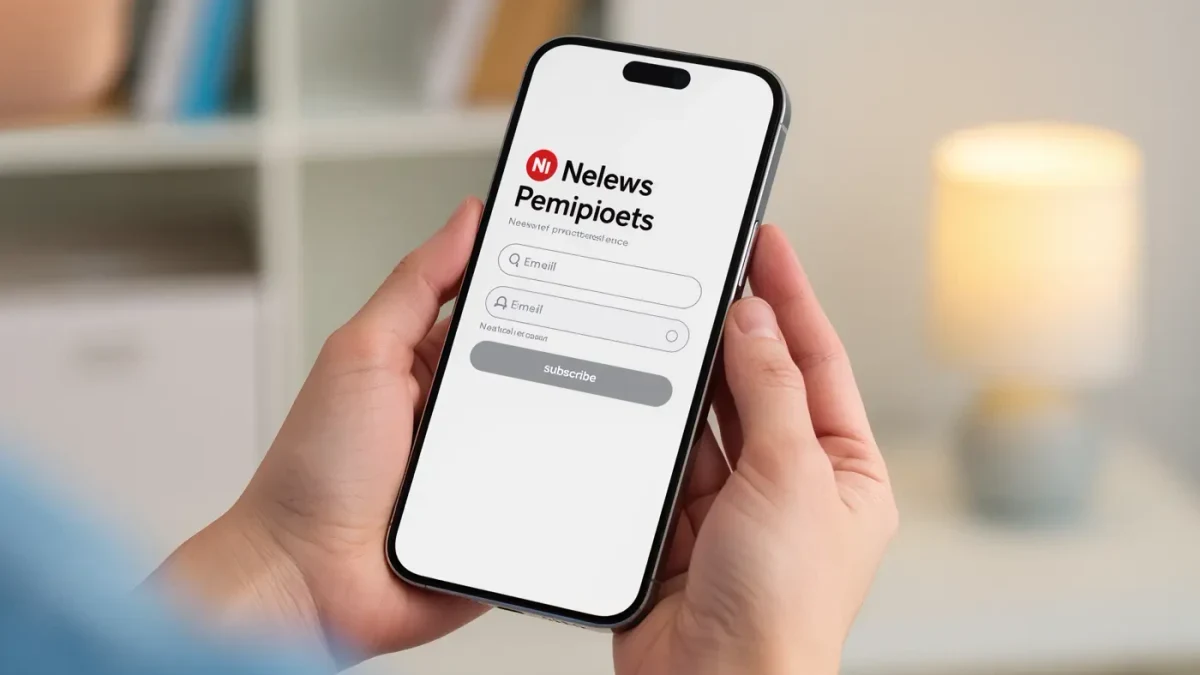
Build an email list before launch day with one free story, one simple form, and one honest promise — the sequence fits in a single page.
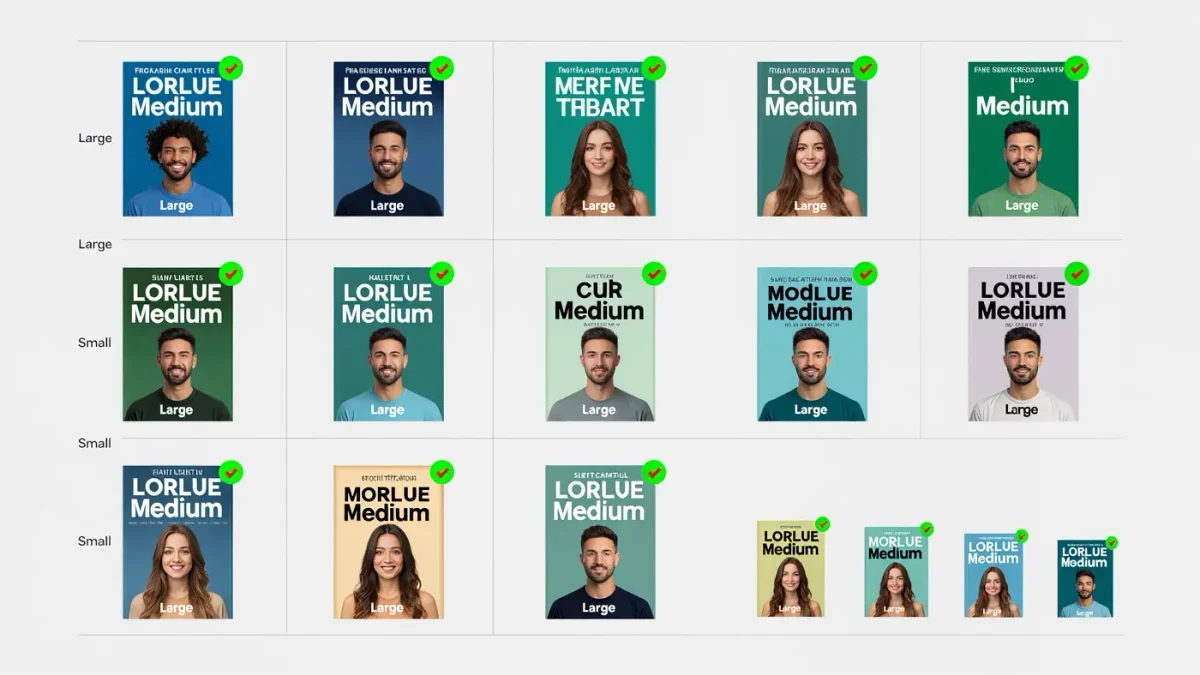
E-book cover design starts with one rule: if the title cannot be read at thumbnail size, nothing else about the cover ever gets a chance to work.

Working with a freelance e-book editor goes well when you hire by stage, brief precisely, and schedule exactly as many passes as the manuscript needs — not as many as your ego fears.

Going wide versus KDP Select comes down to one trade: Amazon's subscription shelf versus every other storefront combined — here is how to choose with open eyes.