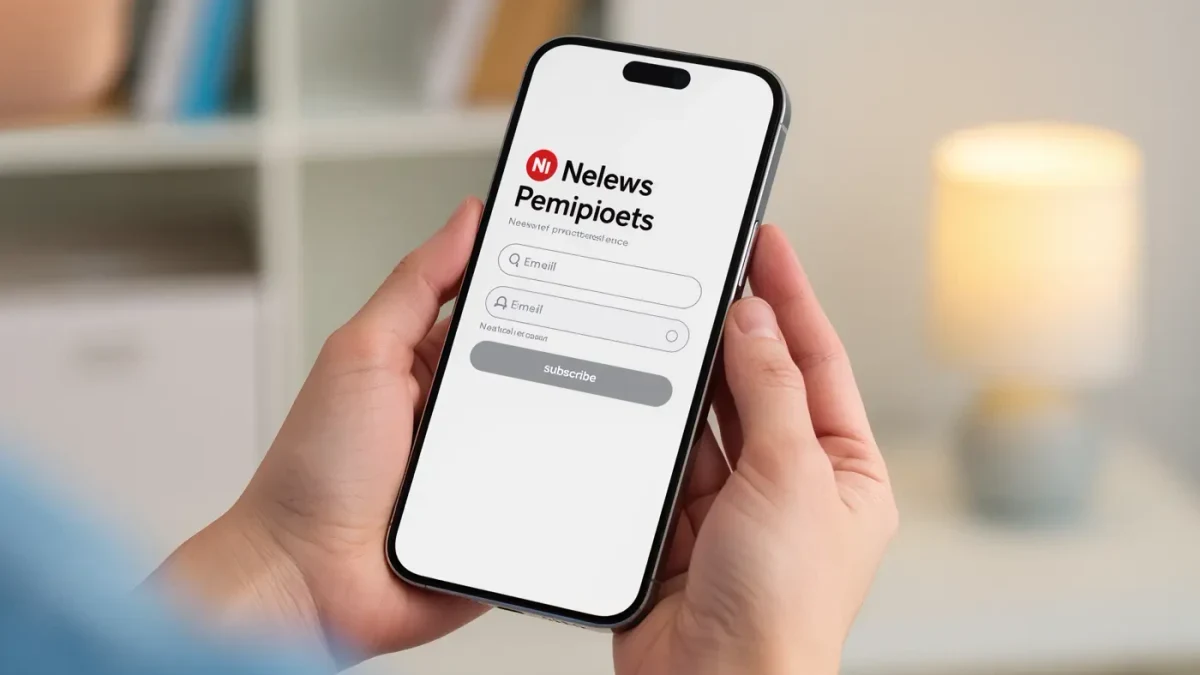
Start with a reader magnet — a free story traded for an email address — and a one-field signup page, roughly three months before launch. That is how you build an email list that matters on day one: email remains the only author channel you actually own, and the FTC's CAN-SPAM rules apply the moment you send commercial mail, as its compliance guidance makes plain.
Why is email still the channel that matters for authors?
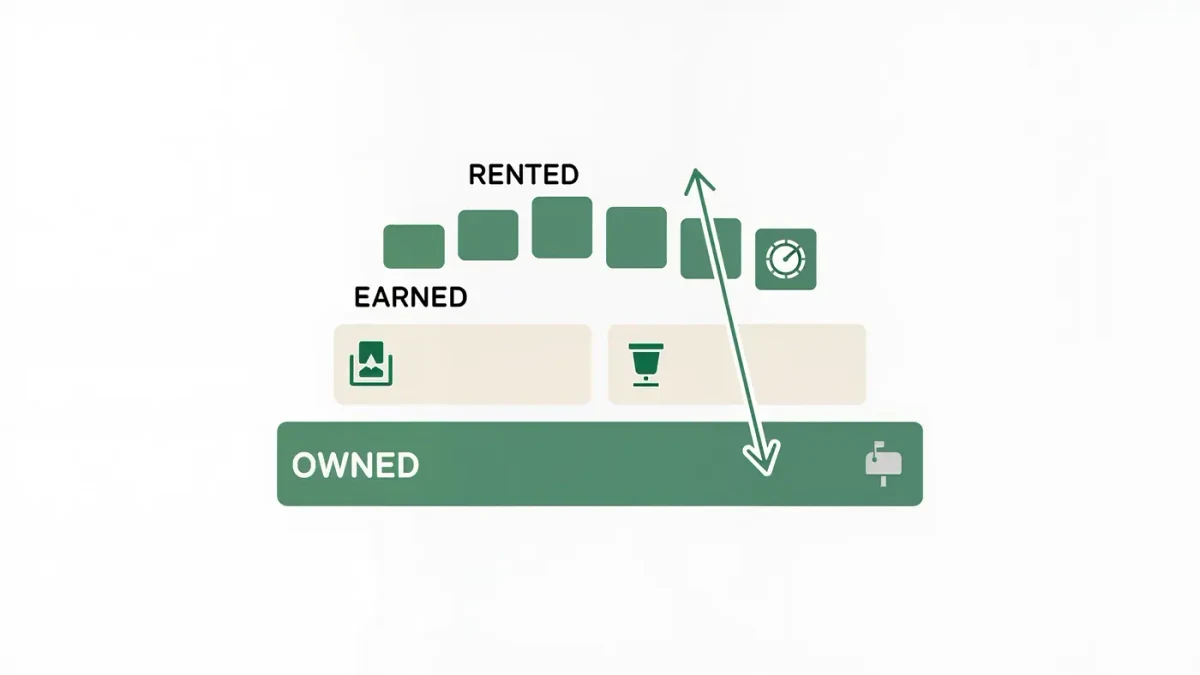
Because every other channel is rented. Store algorithms reroute, social platforms throttle reach, and follower counts evaporate in redesigns — but a list of addresses exports, moves, and keeps working. The Alliance of Independent Authors has advised for years that a direct email list is an author's most durable marketing asset, and launch weeks built on lists consistently outperform launches shouted into feeds.
Consider the arithmetic of attention. A store browser gives your book seconds; a social post gets minutes before it sinks; an email sits in an inbox with your name on it until opened or deleted, and open rates for small author lists routinely beat the click-through of any organic post. The list also compounds: every book you publish funnels new readers into the same sequence, and the launch announcement for book five reaches everyone who loved book one. Social platforms connect you to readers who follow you today. Email connects you to readers who chose you and keep choosing to hear from you. That distinction is the entire strategy.
What makes a reader magnet that actually converts?
Relevance and quality, in that order. The converting magnet is a short piece set in the world of the upcoming book — a prequel novella, a side-character story, an early sample — polished to paid standards and delivered instantly. Length of five to twenty thousand words works well; a hastily formatted short story converts curiosity into unsubscribes.
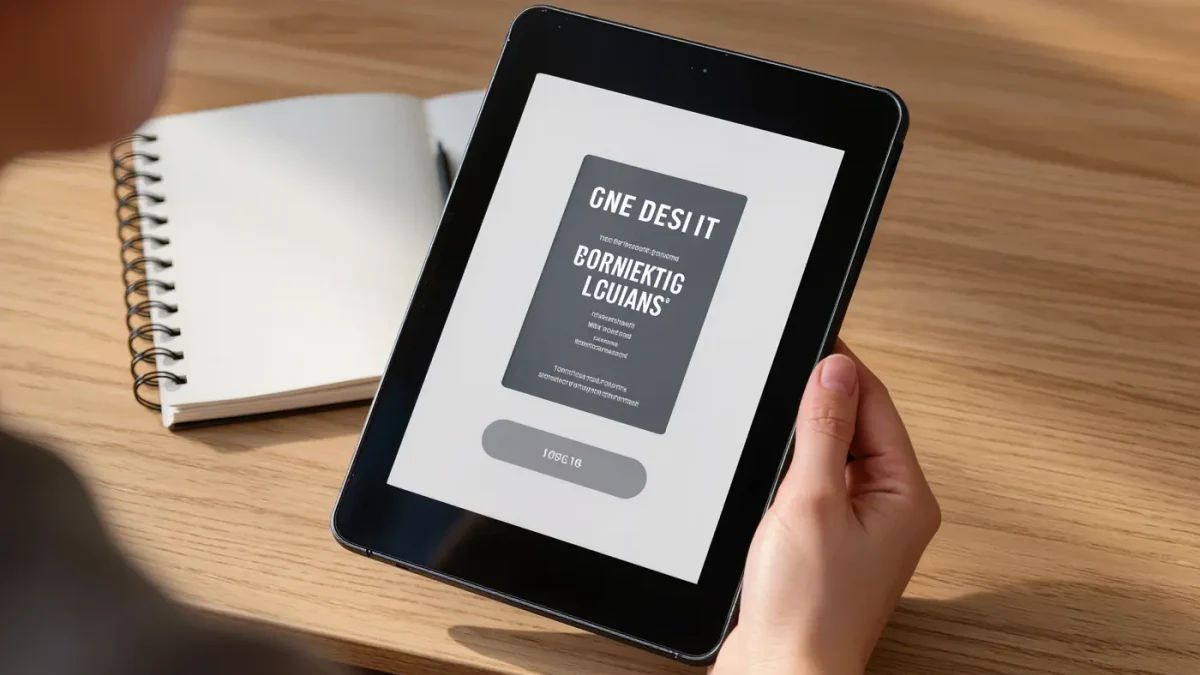
Readers trade their address for something specific, and specificity is genre-shaped. A romance reader wants the couple's first meeting; a thriller reader wants the case that haunts the detective; a fantasy reader wants the map's corner nobody tells about. The magnet should read like a gateway, not a leftover — the same editing pass, the same cover care at small expense, the same file quality you would charge for. Delivery is a solved problem: services such as BookFunnel exist to hand the file to readers and collect nothing but the address you asked for, per their help documentation, and they generate the download pages for you. A magnet nobody edits is a coupon nobody redeems.
Where does the signup form actually live?
Four places, ranked by output: the back matter of your existing books first, a dedicated landing page second, your social bios third, and newsletter swaps with genre neighbors last. One field — the email address — and one clear promise. Every extra field cuts signups; every vague promise cuts quality.
The back-of-book link deserves its reputation: a reader who just finished your work is the warmest subscriber you will ever get, so end every published book with a short, specific invitation and a link that works everywhere. Build the sequence like this:
- Create a landing page that names the magnet, shows its cover, and asks only for an email.
- Set up automatic delivery of the magnet immediately after confirmation.
- Add the same link to the back matter of every book you publish, updating backlist as you touch it.
- Point social profiles and any author-site banner at the landing page — never at a bare homepage.
- Once peers in your genre appear, arrange swaps: their list hears about your magnet, yours about theirs.
What do you send between signup and launch?
A steady monthly minimum with three jobs: remind them you exist, prove you are worth opening, and build the launch date. Cover reveals, sample chapters, character sketches, and one honest "here is what publishing feels like" note do the work. Silence until launch day converts a warm list into a cold one.
Write the welcome email first — the automated one every new subscriber receives the moment they confirm. Thank them, deliver or re-deliver the magnet, tell them what to expect and how often, and be a person: one paragraph of voice beats a page of graphics. Then keep the pre-launch calendar simple: announce the book exists, reveal the cover, share a first-chapter teaser with a pre-order or notification link, and send the launch email with every store link the morning of release. After launch, do not vanish; monthly notes about what you are writing next train the list to open the next launch announcement. The FAQ and the footer of every email should carry your working unsubscribe link — professional providers add it automatically.
What legal basics apply to author email?
Three requirements cover most of CAN-SPAM: no deceptive subject lines or headers, a working opt-out mechanism honored promptly, and your physical postal address in every message — the Federal Trade Commission's CAN-SPAM compliance guide spells out the details, including honoring opt-outs within ten business days. If you have European subscribers, GDPR raises the consent bar further: collect explicit permission and keep records of it.
In practice, reputable email providers build most of this into their forms and footers, which is one reason to use one rather than blind-copying a hundred addresses from a spreadsheet — a practice that also trips spam filters and puts deliverability at risk. The habit that matters is list hygiene: delete bounced addresses, never add people who did not sign up, and make unsubscribing painless. A smaller list that wants your mail outperforms a padded list that marks you as spam.
Frequently asked questions about author email lists
How big should my list be before launch?
Big enough to be engaged, which is smaller than you fear. A few hundred subscribers who open your notes move early sales more than thousands who never asked to hear from you. Track open rates rather than raw count, and treat 100 genuinely interested readers as a real asset.
Which email service should an author use?
Any reputable provider with automation and a landing-page builder — MailerLite, Mailchimp, and ConvertKit are the names that come up most among indies, and each offers a free tier for small lists. Choose one, set up the welcome automation, and stop comparison-shopping; switching costs grow with the list.
Can I buy a list or add people manually?
No. Purchased lists and hand-added strangers violate the terms of every major provider, wreck deliverability, and generate spam complaints. The only address worth having is one that asked to be there. Grow slower and own it.
How often should I email my list?
Monthly as the floor, weekly near a launch, and never a message with nothing in it. Every email should give — a scene, a cover, a recommendation, a piece of news — and the launch announcement lands hardest on lists that heard from you last month, not last year.