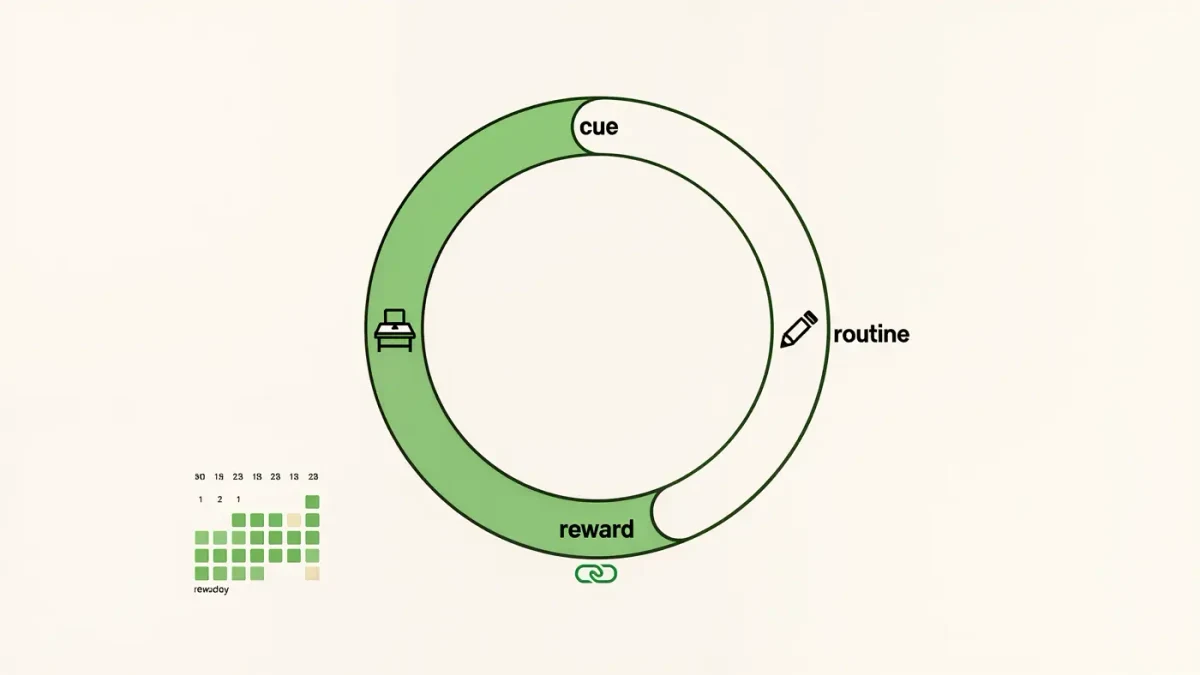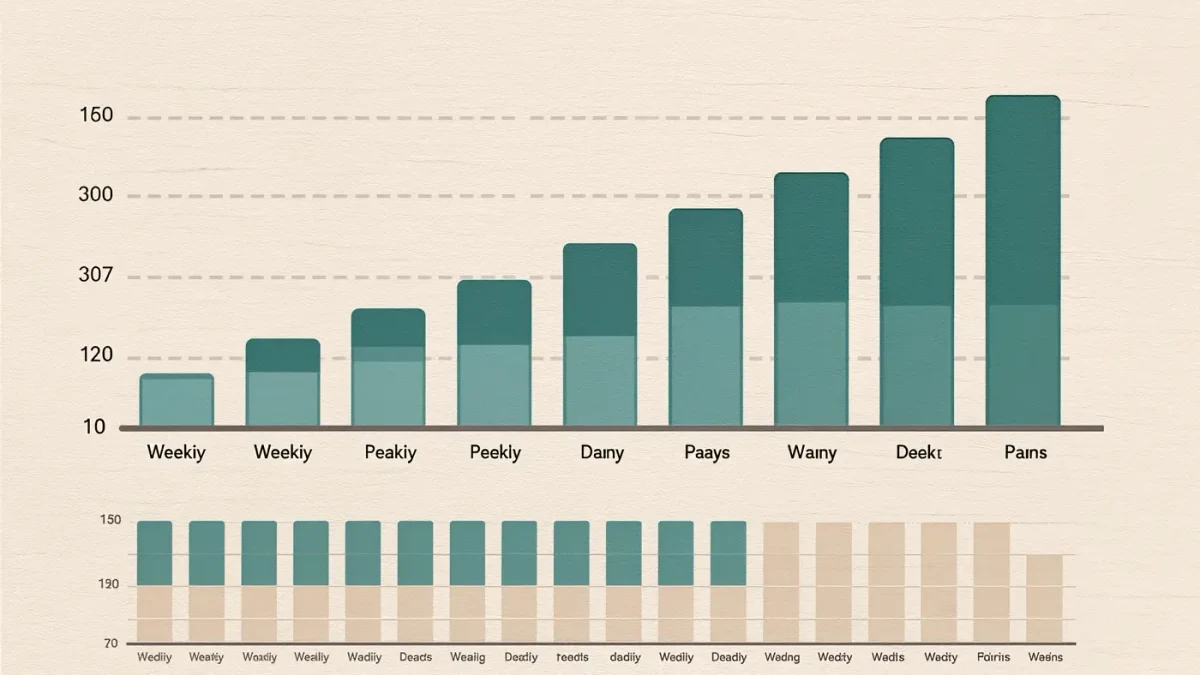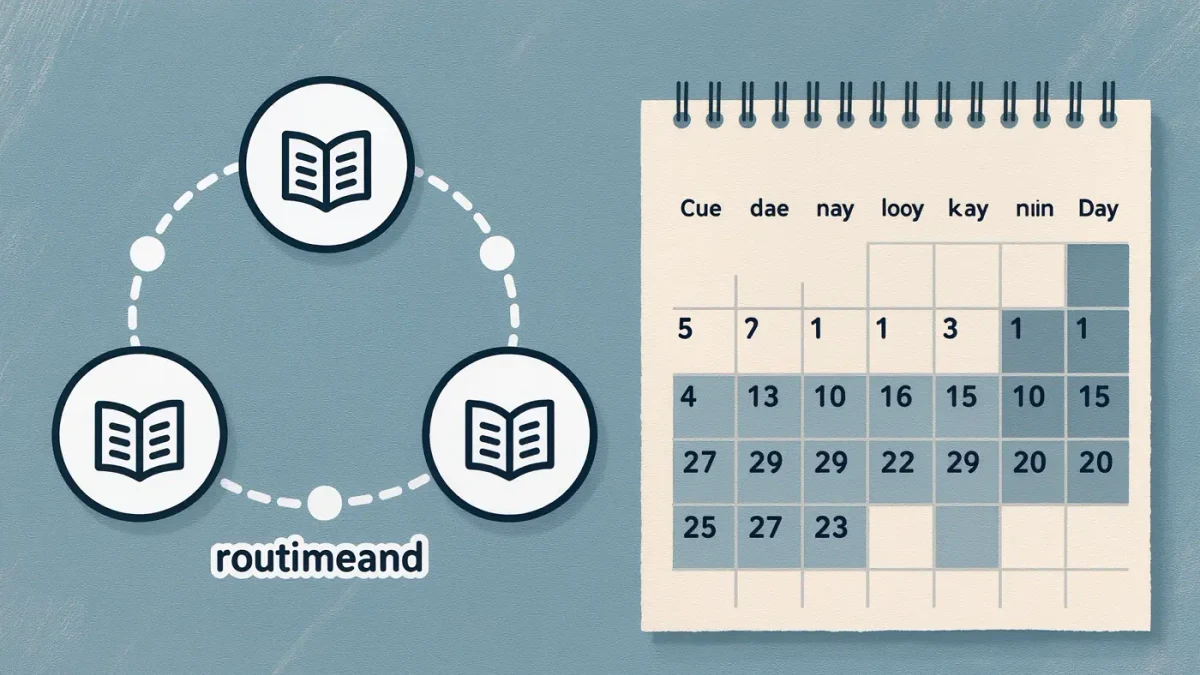
A daily reading habit starts absurdly small — ten minutes or five pages a day — and bolts onto something you already do, like the first coffee. A 2009 University College London study published in the European Journal of Social Psychology found new habits took 66 days on average to become automatic, with a range of 18 to 254 days, and single missed days barely mattered. Small-daily beats heroic-weekly. Always.
How long before reading feels automatic?
About two months of mostly-daily repetition — not the famous 21 days. That 2009 UCL study, still the reference point for habit researchers, tracked real people building daily habits and landed on a 66-day average with an 18-to-254-day spread, depending on how complex the behavior was. Importantly, missing one day did not measurably set anyone back. So budget two months, forgive the odd miss, and let the boring math work.
The 21-day figure, for the record, traces back to mid-century plastic-surgery observations about patients adjusting to new appearances, not to reading or any learned skill. It survives because it is short enough to feel motivating. It is also short enough to make you feel broken at day 24, when the habit still is not automatic. Plan for 66, celebrate anything earlier as a bonus, and treat the range — up to 254 days for the stubborn behaviors — as the ceiling, not a prophecy.
What this means for reading specifically: the first fortnight is effort, the middle fortnight is negotiation, and somewhere around month two the hand reaches for the e-reader before the brain files an objection. That is the whole destination. There is no further milestone where confetti falls.
How short can a daily session be and still count?
Ten minutes count, and five pages count. Habit strength grows from frequency, not duration — showing up daily at a small dose wires the behavior in faster than weekend binges separated by five silent days. An e-reader lowers the floor further: it wakes instantly, holds your exact place, and fits in a coat pocket, which removes most of the 'no time, no book, no light' excuses your evening self likes to file.
This is where e-readers quietly outperform paper for beginners. The friction inventory of a print habit — find the book, find the bookmark, find the reading light, remember what happened — is four small taxes, and each one is a place to stall. A synced e-reader is one tap from your page. The Kindle app and Kindle e-readers open to the furthest location automatically, per Amazon's help pages, and Kobo devices resume the same way. Ten minutes of actual reading becomes the path of least resistance, which is the entire trick.
Set a floor so low it is almost embarrassing. 'I read four pages with coffee' is unbreakable even on terrible days, and unbreakable beats impressive. The people who eventually read for an hour a night started with a floor they could not fail, then let appetite inflate the sessions on its own schedule.
How do streaks and app goals help — and when do they backfire?
They work as scaffolding while the habit sets, then they work best when ignored. The Kindle app gained daily reading streaks during its 2024 updates, per Amazon's app notes, and The StoryGraph and Goodreads track daily chains and yearly goals with equal enthusiasm. Streaks supply the visible progress a quiet habit lacks. They backfire the day you keep the chain alive by rereading cereal boxes at midnight instead of books.
The failure mode is real and well-documented by anyone who has quit a language app: the metric becomes the point, and the activity becomes a toll paid to the metric. Reading's version looks like skimming pages with no attention, choosing ultra-short books to pad a counter, or grimly 'banking' pages you will not remember a week later. Guard against it by defining the streak as a daily session of at least ten real minutes — attention included — and refusing to count anything done purely for the number.
Used that way, the streak is a floor, not a target. Federal surveys of arts participation — the National Endowment for the Arts has measured American reading habits for decades — suggest steady daily readers remain a minority habit worth deliberately building, which is exactly what a visible chain helps you do.
How do you build the habit without quitting?
- Pick one anchor moment — coffee, commute, the lamp before sleep — and read at that moment only. One anchor beats three aspirational ones.
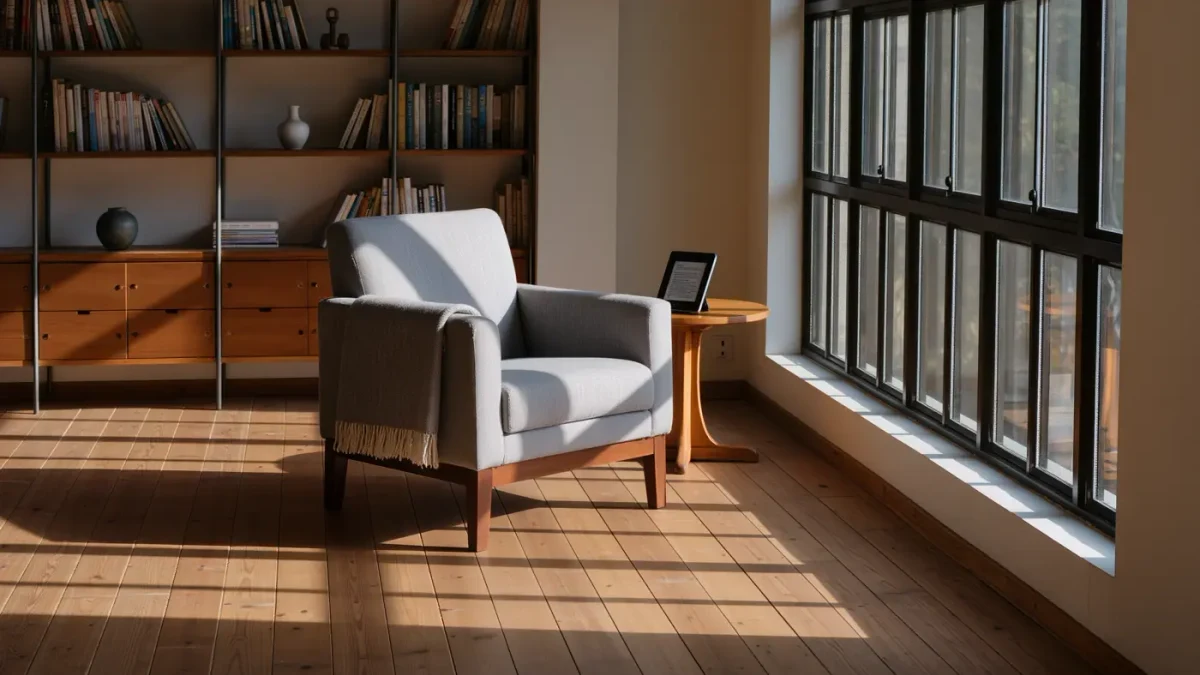
- Park the e-reader where the anchor happens: nightstand, bag pocket, desk edge. If it needs fetching, it needs willpower, and willpower has other appointments.
- Define the embarrassing minimum: four pages or ten minutes, whichever comes first. The floor should survive your worst day, because worst days are when habits are decided.
- Make progress visible — a streak in the Kindle app or StoryGraph, or pencil marks on a paper calendar — and review it weekly, not hourly. Chains are for noticing drift, not for scoring.
- Pre-load the next book before finishing the current one, so 'the end' is never followed by a decision. Decisions at zero momentum are where habits go to die.
- When you miss a day, note it and continue exactly as before. The UCL data says one miss costs almost nothing. Two misses in a row is the actual cliff — never miss twice.
Questions readers actually ask
What if I just hate the book I picked?
Swap it the same day, guilt-free. Forcing through a book you dislike trains your brain that reading is a chore, which is the opposite of the habit you are building. Keep one always-running 'rescue shelf' of two or three books you know pull you in, and treat quitting a bad fit as basic queue maintenance. The habit attaches to reading, not to any single title.
Should I read more than one book at once while building the habit?
One primary book per anchor works best at the start, because split attention doubles the 'where was I' tax. A second, different-flavor book is fine once the daily session is automatic — many readers keep a novel for nights and nonfiction for mornings. Start with one. Add the second only after the streak survives a rough week without effort.
Do paper books build the habit better than e-readers?
Whichever format is physically nearest wins, and for most people that is the phone-sized e-reader or an app already on the phone. The e-reader's instant resume, built-in light, and one-device-many-books storage make the daily floor easier to hit. Paper loyalists should keep the book visible on a pillow. The best format is the one you will actually open at 10 p.m.
How long until I stop needing the streak?
For most behaviors the UCL data covered, somewhere around the two-to-three-month mark the action ran without deliberation. You will notice it as absence: the internal debate about whether to read simply stops appearing. Keep the streak counter on anyway for a while — it costs nothing, and it catches silent drift months later when work temporarily eats your evenings.