To track your reading progress honestly, track minutes, not books — minutes are the only metric you control daily, they survive long novels and short ones, and they happen to be what e-readers measure natively: Kobo readers have counted hours read and pages turned in their built-in stats for years, per Kobo's user guide (2025 edition). Book counts make better drama. Minutes make better readers. Both are easy to capture now.
What can your e-reader actually measure?
Less than a fitness watch, more than you need. Kobo readers track total hours read, pages turned, and average time per session in their built-in stats, per Kobo's user guide; Kindle e-readers estimate time left in the chapter and the book, per Amazon's help pages, and the Kindle app has displayed daily streaks and weekly reading time since its 2024 updates. That trio covers the two numbers that matter: how much, how recently.
The gaps are worth knowing so you do not hunt for features that do not exist. Kindle e-readers, as of 2025, do not total your hours per book in a tidy dashboard — the time-left estimates are live math, not history. Kobo's stats are account-wide and cheerfully blunt rather than per-title. Apple's Books app takes the minutes route with a daily reading goal tracker, per Apple's iPhone user guide, and Google Play Books leans on finishing badges over data. When a platform's stats run out, third-party trackers pick up the slack, of which The StoryGraph is the current favorite — it infers sessions from reading progress you log, or syncs paper books alongside ebooks — and Goodreads, owned by Amazon since 2013, contributes the social layer and the yearly challenge.
| Kobo built-in stats | Kindle app streaks | The StoryGraph | |
|---|---|---|---|
| What it tracks | Hours, pages, average session | Daily streak, weekly minutes | Anything you log, plus book metadata |
| Where it lives | On the e-reader itself | In the Kindle app | Its own app and website |
| Best for | Zero-effort totals on Kobo | Kindle readers who want a nudge | Cross-format, cross-store readers |
| Weak spot | Not per-book, not exportable | Kindle ecosystem only | Depends on you logging honestly |
Books, pages, or minutes — which should you track?
Minutes as the base, books as garnish. A book-count goal quietly teaches you to pick short books; a page-count goal varies wildly with edition and font size; a minutes goal rewards reading anything at all, including the 900-page novel your book-count goal would have quietly vetoed. Twelve books is a nice headline. Twenty minutes a day is the machine that produces it.
The distortion is not hypothetical — it is the documented funhouse effect of any count-based goal: when the counted unit is books, you drift toward thin ones, and when the counted unit is pages, you drift toward airy layouts. Minutes are unit-agnostic and consistent across paper, e-ink, and app, which is why reading researchers and federal time-use surveys measure the habit that way. The American Time Use Survey — the Bureau of Labor Statistics' long-running diary study — reports Americans' leisure reading in minutes per day, and its recent annual averages sit well under half an hour. That is the field you are playing on: modest daily minutes, honestly counted, beat heroic imaginary sessions.
Track finished books as a bonus layer, the way runners log races without training for them specifically. The count tells the story at year's end; the minutes tell the truth on Tuesday.
How do you track stats without turning reading into homework?
Cap it at two numbers, reviewed weekly. Check your streak and your weekly minutes every Sunday, decide nothing dramatic, and skip daily scoreboards entirely — the point of reading data is noticing drift, not grading yourself by the hour. Data should serve the reading. The moment that flips, cut the data.
The warning signs of metric capture are easy to spot once you know them: choosing a book because it is short rather than because it is right; skimming paragraphs with attention elsewhere while the timer runs; feeling relief rather than loss when a reading app breaks. Fitness-tracker culture already ran this experiment on a generation of joggers, and the lesson transferred intact — a number that nudge you is a tool, and a number you serve is a landlord.
Two numbers is also simply what the devices support without effort. Kobo's stats page and the Kindle app's streak card both render a weekly glance in one screen; anything more elaborate requires manual logging, and manual logging is where tracking regimes go to die, usually the second week of February.
How do you set up a low-maintenance stats routine?
- Let the device count: keep one primary e-reader or app, and let its built-in streak and minutes be the system of record. No double-entry.
- Add paper books with a ten-second nightly log — current page into The StoryGraph or a note — or accept blind spots honestly. Approximate and consistent beats precise and abandoned.
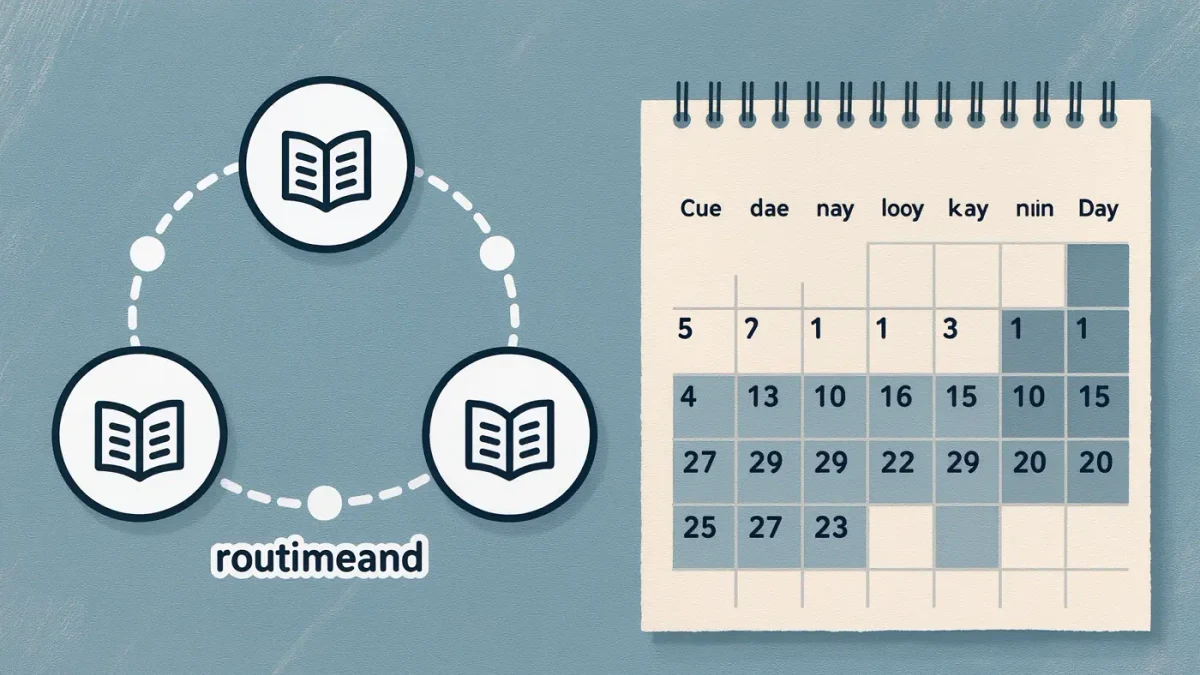
- Pick your two numbers — weekly minutes and current streak are the proven pair — and write Sunday's values in one line of a notebook. That line is the whole journal.
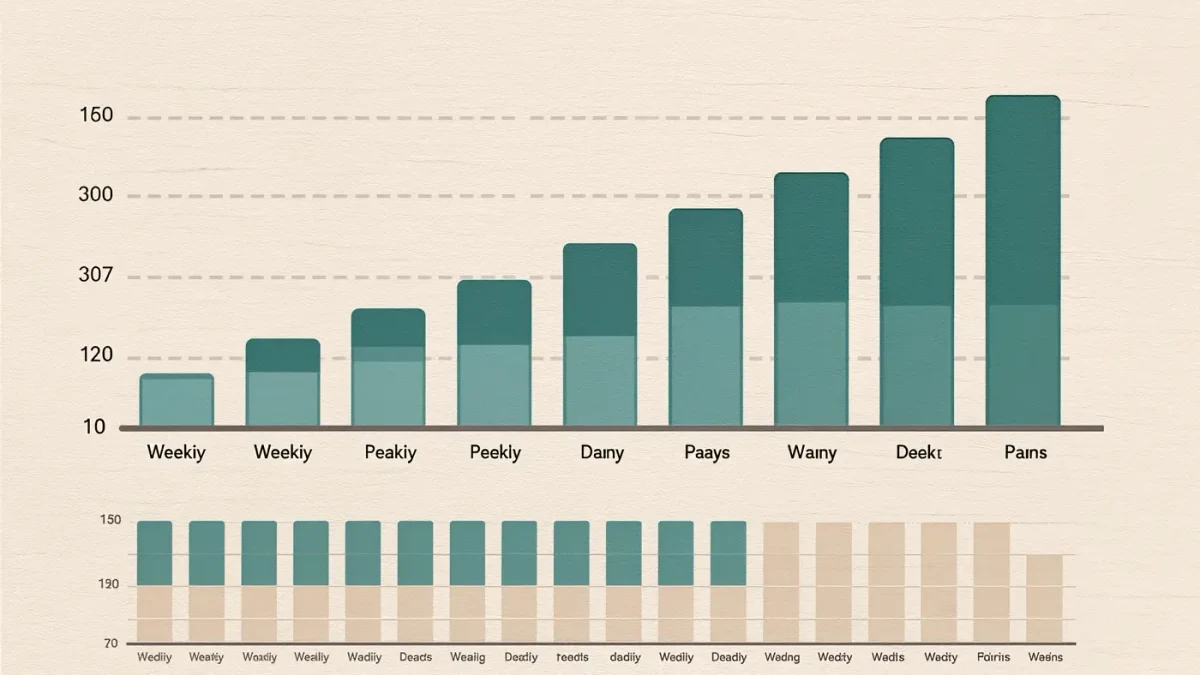
- Review monthly trends, not daily blips: four weeks of minutes tells you whether the habit is growing; one Tuesday tells you only that Tuesday happened.
- Reset expectations after life events — illness, travel, a newborn — by lowering the floor for a month rather than abandoning the tracker. The data forgives if you do.
Questions readers actually ask
Is Goodreads or The StoryGraph better for reading stats?
For statistics specifically, The StoryGraph — it was built around data, with pacing charts, mood tags, and detailed yearly summaries, while Goodreads leans on its social layer, reviews, and the yearly challenge. Goodreads syncs conveniently inside the Kindle ecosystem, which counts for a lot in daily practice. Many readers keep Goodreads for community and The StoryGraph for numbers. Both are free at the base tier, as of 2025.
Do Kindle e-readers show total time read?
Not as a lifetime dashboard, no. Kindle e-readers show live estimates — time left in chapter and book, per Amazon's help pages — and the Kindle app adds streaks and weekly minutes, as of its 2024 updates, but a per-book or per-year hours total is not part of the e-reader's screens. Kobo devices are the ones with a built-in stats page. Amazon may add more. As of 2025, this is the split.
Can I import past reading years into a tracker?
Partially, with patience. Goodreads can bulk-import your Amazon purchase history, which recovers titles but not dates or hours; The StoryGraph imports a Goodreads export cleanly, which is the standard migration path. What no tool can reconstruct is reading time from before you tracked it. Start the honest count now. In a year you will have real data.
What is a reasonable weekly minutes target?
One you derive, not one you admire. Take a typical week's actual minutes from your device, add ten percent, and call that the target for a month; re-derive monthly. For context, the average American's leisure reading runs well under half an hour a day in federal time-use data — so 150 honest minutes a week already puts you well ahead of the field. Growth follows consistency. Numbers follow growth.