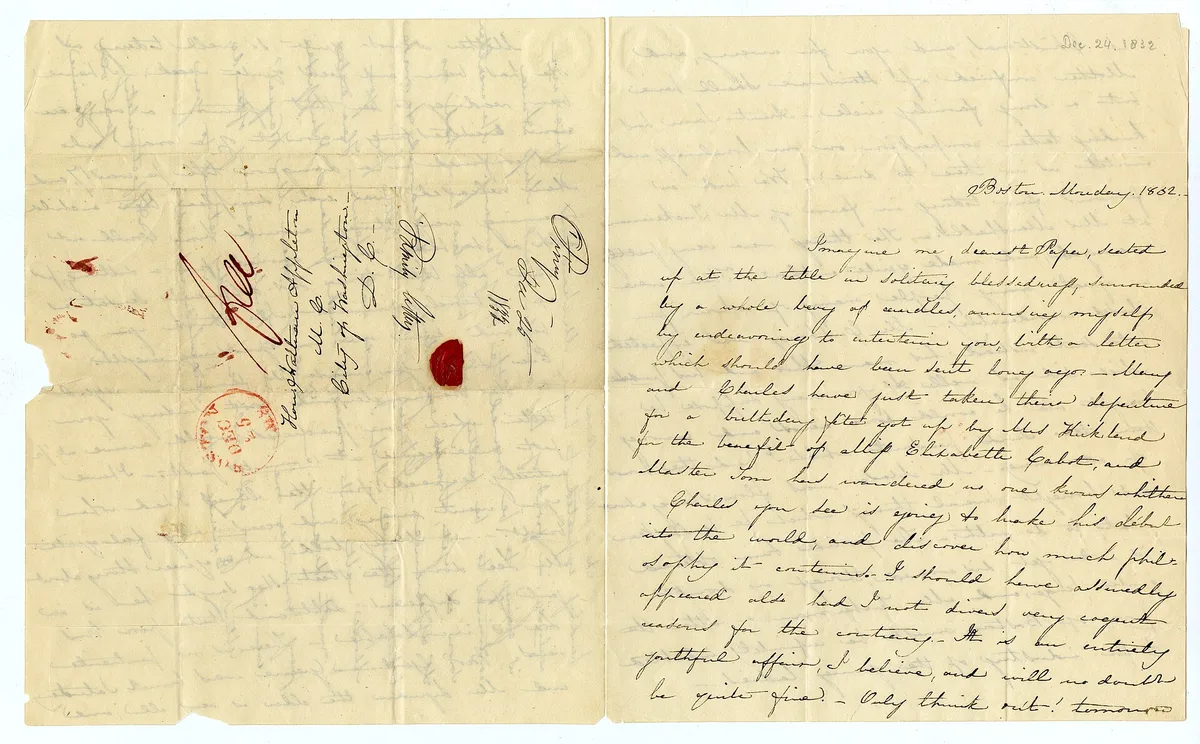
A debut author gets discovered today through one of three doors: the agent query, the direct submission to a small press, or self-publishing that finds its own readers. The word itself is older than the industry around it. A debut, per the Cambridge Dictionary, is simply a first public appearance — and a debut novel, as Wikipedia's entry on the term notes, is an author's first published novel. The definition is modest. The machinery behind it is not.
The honest answer to how do authors get published is that nobody is discovered by accident. Every visible debut sits on months of unglamorous work: a finished manuscript, a list of agents or editors, a pile of polite rejections, and a decision about which door to knock on first. This piece walks the three paths in order and says plainly where each one stalls.
What does the agent query actually involve?
The traditional path starts with a query letter: a one-page pitch sent to a literary agent, who acts as the author's seller and gatekeeper. The agent, if interested, asks for the full manuscript. If the agent signs the author, the agent submits the book to editors at publishing houses. Only then does a debut reach print.
The sequence matters because it explains why the query is the hardest single page most writers ever write. It must summarize a novel, signal its genre and audience, and sound like a person worth working with — in roughly three hundred words. The manuscript is the product; the query is the storefront. Many debuts die at the storefront, not the factory.
The process is slow by design. Agents read in batches. Editors buy seasons ahead. A writer who finishes a novel today may see it on a shelf, if the traditional path holds, years later. That lag is the first thing a debut author has to make peace with.
Do you need an agent to get published?
No — but the alternatives change what kind of debut you get. Small presses and some university presses accept direct submissions from unagented writers, usually during open reading windows. The advance, if there is one, is smaller, and the marketing department is thinner. What the author gains is a shorter distance between acceptance and print, and an editor who chose the book personally.
Then there is self-publishing, which removes every gatekeeper at once. The author hires an editor and a cover designer, formats the book, and publishes it directly to e-book stores. The trade is stark: no one has to say yes, and no one is obligated to notice. Discovery shifts from the agent's inbox to the store's recommendation engine, the book's metadata, and the author's own outreach. Readers who want the mechanics can start with our guides to Going Wide vs. KDP Select: Where to Publish and choosing e-book metadata and keywords, which cover the decisions that stand in for an acquisitions editor.
What happens after the yes?
Discovery does not end when a publisher says yes. It changes hands. In traditional publishing, the house pitches the book to booksellers, sends early copies to reviewers, and hopes word of mouth does the rest. The author's job becomes showing up: bookstore events, festival panels, the slow accumulation of readers who will buy the second book.
Indie authors run the same campaign with their own hands. The pre-launch checklist looks like this:
- Build a reader email list before launch day, so the first week has buyers waiting.
- Price the book deliberately for its opening months rather than guessing.
- Line up early readers for honest reviews, since stores reward early activity.
- Decide whether the book is a standalone or the first of a series, because series compound discovery.
Our coverage of building an email list before launch day and pricing an e-book for the first 90 days walks through both moves in detail. The pattern underneath them is simple: a debut is discovered by whoever was already looking for it. The author's task is to make sure somebody was. This connects to our earlier piece, How to Build an Email List Before Launch Day.
Why do some debuts break out and others don't?
Here is the uncomfortable part, and the place where honest writing has to admit what it cannot prove. Nobody — not agents, not editors, not the authors themselves — can fully explain why one debut novel catches and a comparable one quietly vanishes. Timing, genre fashion, a bookseller's enthusiasm, a lucky mention: the variables are real, but no one has isolated them into a formula, and this article will not pretend otherwise.
What the record does support is a pattern about persistence rather than luck. Debut authors who build careers tend to have treated the first book as the start of a body of work, not a single lottery ticket. A second novel gives a publisher something to sell to the readers of the first. A newsletter keeps the connection alive between books. Our piece on turning one book into a series describes the compounding effect; the one on what a newsletter list actually returns describes the long game behind it.
What this means for a first-time novelist is a reframing. The debut is not the discovery. It is the introduction. The discovery, when it comes, is usually a reader finding book two and working backwards.
Which path should a first-time author pick?
Our analysis of the three doors, taken together, runs like this. The agented path offers the widest distribution, an advance, and a professional team — in exchange for the longest timeline and the steepest odds at the query stage. The small-press path offers a real editor and a faster yes, with less reach. Self-publishing offers total control and total responsibility: the author keeps most of the revenue and supplies all of the marketing.
The choice depends less on the book than on the author's temperament and resources. A writer with patience and a genre with strong traditional demand may find the query worth the wait. A writer with marketing instincts, or a book that fits no obvious shelf, may do better publishing directly. Neither is the respectable path and the fallback. Both produce real debuts, read by real people.
One caution belongs here. The internet is full of paid services promising discovery — guaranteed reviews, paid placements, contests with entry fees. A debut author is the target customer for all of them. Before spending money on visibility, it is worth checking what the money actually buys, and reading our critical coverage of paid promotions, such as the breakdown of what BookBub featured deals cost and return, as a model for how to ask that question.
The quiet part: what no source can tell you
State the gaps plainly. None of the material behind this piece quantifies acceptance rates at agencies, average advances for first novels, or the share of debuts that come through each of the three doors. Those figures circulate in publishing conversation, but they shift by year and by source, and this site does not print numbers it cannot trace. What the sources do establish is the vocabulary — a debut is a first public appearance — and the structure of the paths themselves.
The rest is craft and patience. Finish the manuscript. Write the query until it sounds like you. Pick a door, knock, and start the next book while you wait. The debut gets the title. The habit gets the career.