
Topic
What Literary Agents Actually Do All Day
Reading, pitching, negotiating, chasing payments: the job behind the gatekeeper myth, explained.
Reading, pitching, negotiating, chasing payments: the job behind the gatekeeper myth, explained.

Works from 1930, Christie and Hammett included, entered the US public domain on January 1, 2026. Where the free legal copies live and what the annual release means.

A translator writes the English version you read. Reviewers should judge the book they were given, not the one they can't check.
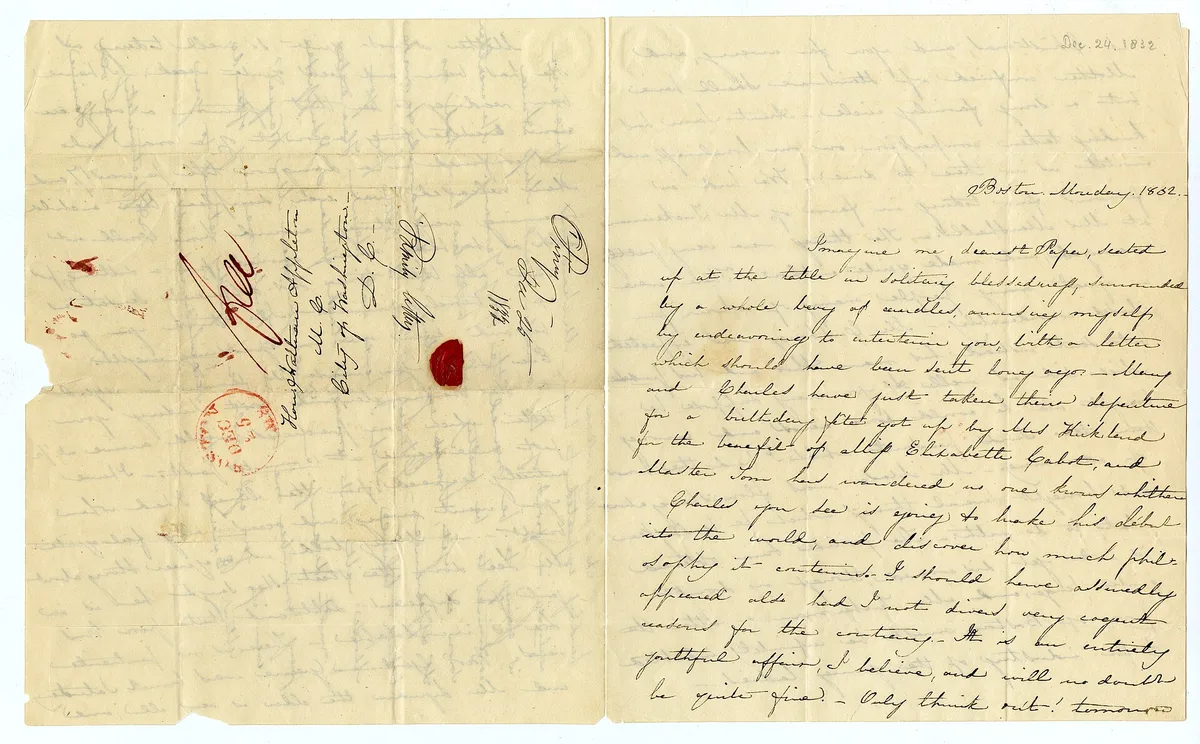
The query, the submission, and the breakout: three paths a first novelist can actually walk.

A review is a service to other readers, not a verdict on the author's soul. Here's how to write one that helps.

A decision-tree for the reading slump: match a book to your mood, your available hours, and the last thing that worked.

The Folio Society grew sales 55 percent as illustrated classics took over gift tables. Inside the numbers, the designers, and the collector math.

What each major book-tracking platform does well, what it costs you in privacy, and which reader should use which.
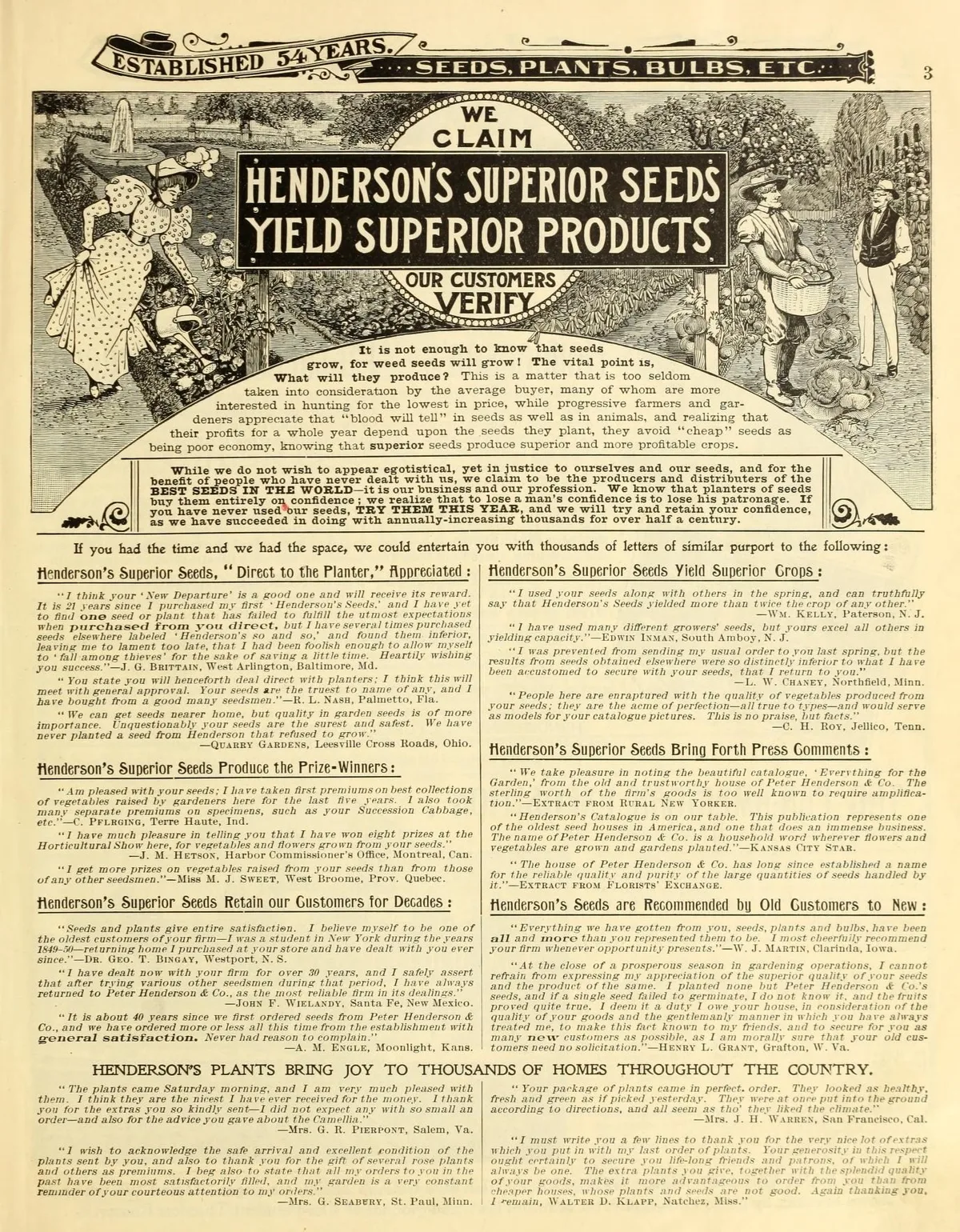
A reader's field guide to telling genuine criticism from inflated ratings and machine-written praise.
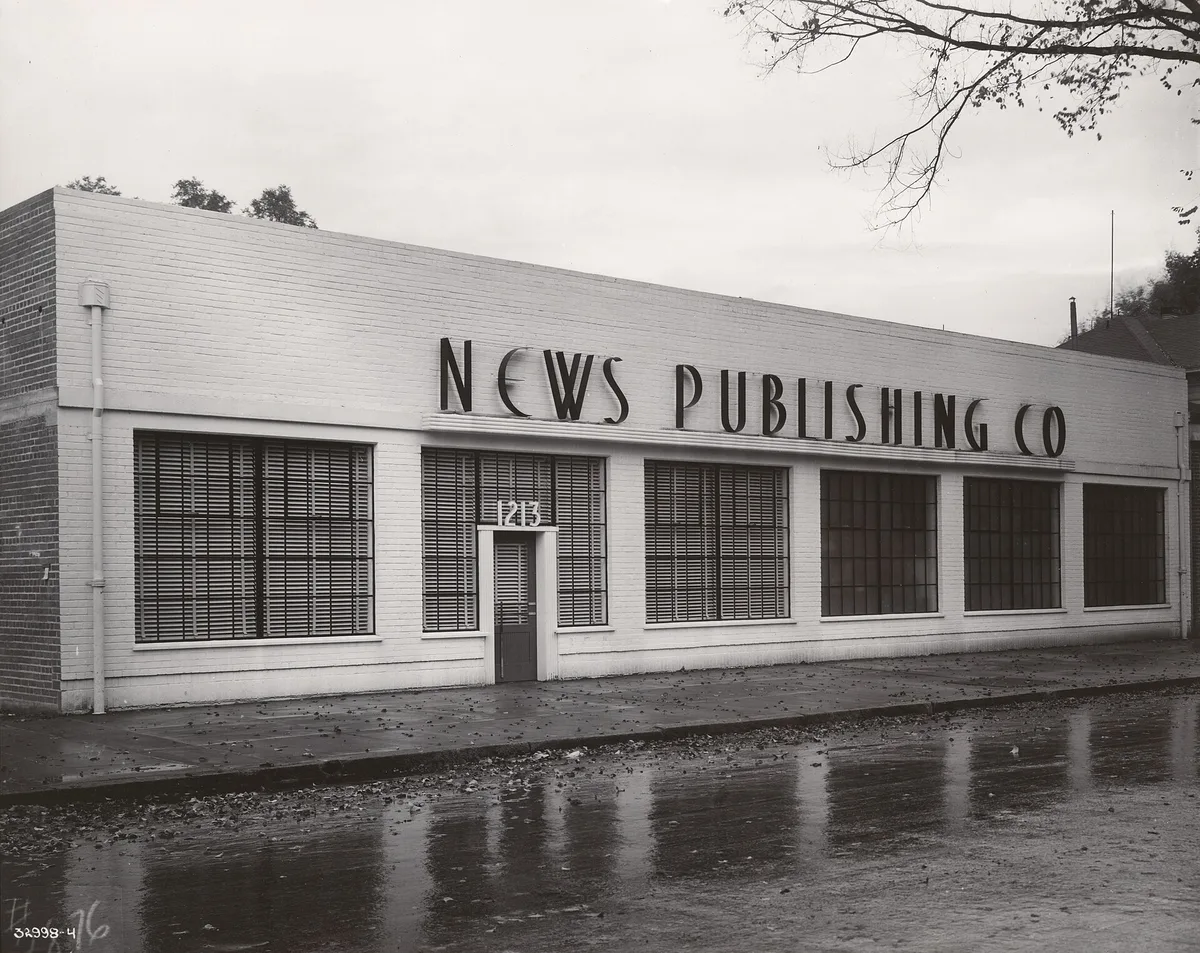
Deal reports, sales numbers, and industry gossip don't appear by magic. Here's how the trade press actually builds a story.