When a big book deal hits the trades, someone worked for it. Publishing news doesn't fall out of the sky. It comes from a small, specialized press corps that reads contracts, talks to agents, and checks numbers before anything goes public. If you've ever wondered why a deal announcement reads a certain way, or why some sales figures show up with caveats and others don't, the answer is process.
This explainer walks through how trade outlets actually make publishing news: where the tips come from, how a deal report gets verified, and why gossip usually stays gossip until a document lands. You don't need to work in the industry to follow along. If you're a reader or an indie author, understanding the machinery helps you read any headline with more confidence.
Who covers publishing, and why it's a small club
Trade press means outlets that cover an industry for the people who work in it. In publishing, that's a modest number of specialist reporters plus generalist media desks that pick up the biggest stories. The industry itself is concentrated: as Wikipedia's overview of publishing notes, commercial publishing ranges from large multinational conglomerates such as Penguin Random House and News Corp down to thousands of small independents. A handful of big companies make most of the news worth chasing, and a handful of reporters know exactly who to call.
That concentration cuts both ways. It means the people breaking deals know the players personally. It also means access matters. A reporter who burns a source at one major house may lose a steady stream of future tips, so trade coverage tends to be careful, polite, and sometimes quieter than readers might like.
Where the tips come from
Most deal stories start with a press release, a listing, or a leak. The common routes look like this:
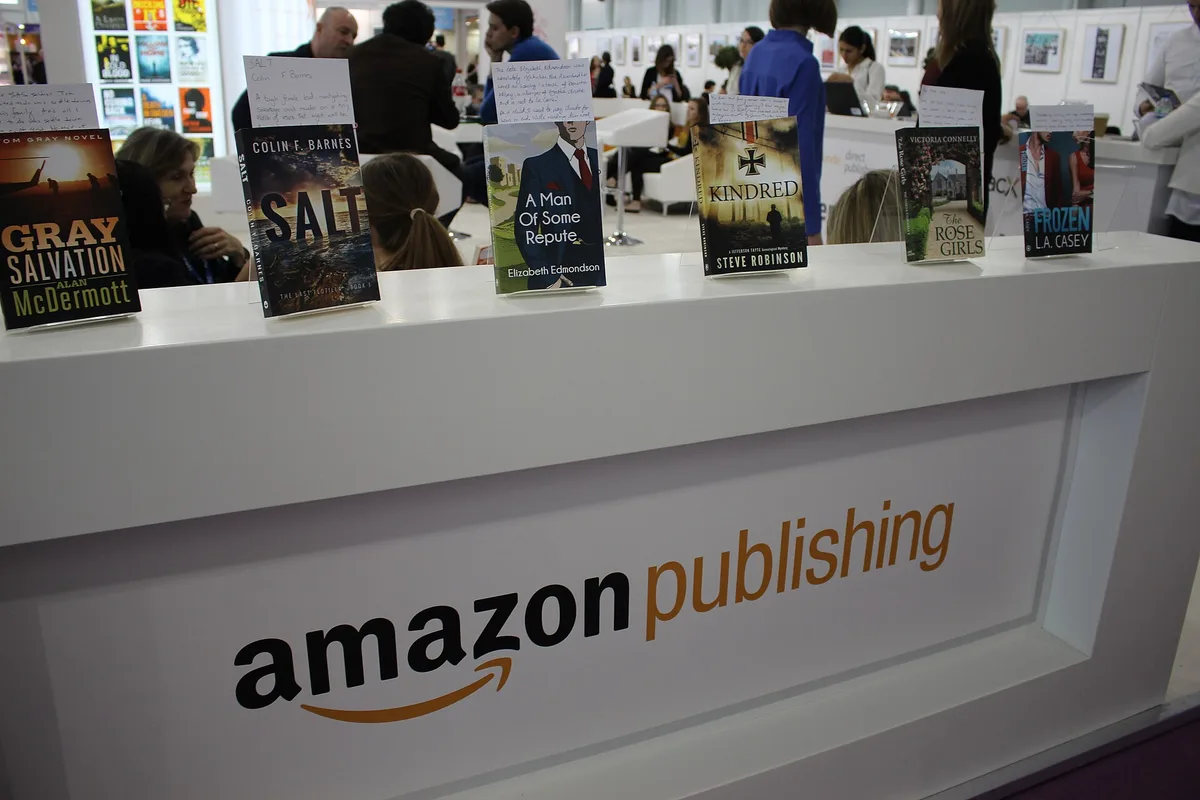
- Announcements from the companies themselves. Publishers and platforms put out their own news. Amazon's KDP site, for example, promotes its own figures and features directly to authors, including its claim that a book can appear on Amazon stores within 72 hours of upload (per Amazon's KDP page). When a platform publishes its own numbers, the trade press reports them as company claims, not independent fact.
- Agents and editors. A hot auction for a manuscript is exactly the kind of story the trades want, and the agents involved often want it public too. Buzz helps an auction. So the tip and the story can serve both sides.
- Documents. Court filings, regulatory records, earnings statements, and rights filings are the gold standard. They can't be walked back.
- Gossip. Yes, it flows. But until a second source or a document backs it up, most outlets hold it.
The pattern to remember: the more consequential the claim, the more the story rests on paper rather than chatter.
How a deal report gets built
Take a typical deal announcement: author, title, publisher, imprint, editor, and sometimes a rumored advance. Where does each piece come from?
The publisher or agent confirms the basics. The advance, when reported, is usually described in ranges or tiers, because almost nobody on the record will confirm an exact figure. The description of the book comes from the pitch materials. A careful reporter will flag what's confirmed versus what's "reported to be." That phrasing isn't hedging for style. It's the difference between what a source put in writing and what someone said off the record.
Timing matters too. Deal news often runs when the trades can add something new: a competitive auction, a notable author switching houses, a record figure. The same deal, quietly signed, may never make news at all.
What about sales figures?
Sales numbers are the trickiest material in publishing coverage, and the trade press treats them with visible care. A few reasons why:
- Publishers report their own figures, and a company is the source of its own metrics, not an independent check on them.
- Different counters count different things. Print shipments aren't the same as sell-through, and e-book data lives inside closed platforms.
- Industry groups compile periodic snapshots, and those aggregate figures are what reporters lean on for trends.
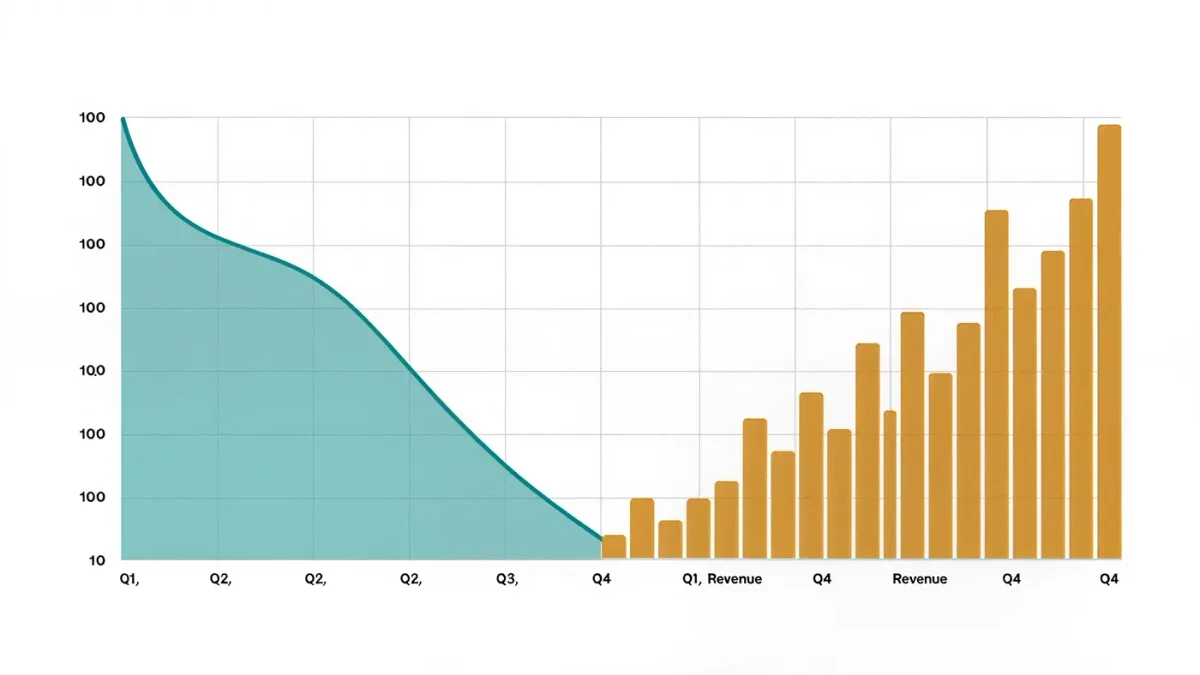
When a story cites a number, check whether it names who counted. If the figure traces to the company selling the books, the honest framing is "according to" that company. If it traces to an industry survey, the story should say so. When we cover these numbers ourselves — as in our writeup of the AAP StatShot showing e-book revenue dipping in Q1 2026 — the value comes from naming the counting body and the period, not from the headline figure alone.
How gossip becomes a story — or doesn't
Industry gossip is real currency. Editors hear about layoffs before they're announced. Agents hear about imprints being restructured. The question every trade editor asks is simple: can this be confirmed?
The usual ladder looks like this:
- Single unnamed source. Some outlets will run it with careful attribution. Many won't.
- Two sources. The classic standard for a sensitive story. Still often attributed as "people familiar with the matter."
- Document or on-record confirmation. Now it's news, not rumor.
Readers can use that ladder too. Words like "reported" and "expected" mark the lower rungs. A flat sentence with a named source marks the top. Neither is wrong; they're just different levels of certainty, and good trade writing keeps them distinct.
Why self-publishing changed the news cycle
For decades, publishing news meant news about a few hundred houses. Self-publishing widened the field dramatically. Wikipedia's publishing overview notes that self-publishing has made publishing widely accessible through online platforms, and the trade press has adjusted: platform policy changes, royalty structures, and author-earnings stories now get regular coverage alongside traditional deal reports. This connects to our earlier piece, Amazon Starts DRM-Free EPUB Downloads: What It Changes.
That shift created a second kind of publishing journalism. Instead of an auction leak, the news might be a rule change on a self-publishing platform. We track these closely for indie authors — see our rundown of Amazon KDP's 2026 rule changes and our explainer on Amazon's move to DRM-free EPUB downloads. In this space, the primary source is usually the platform's own documentation, which makes attribution both easy and essential. Readers following this should also see Amazon KDP's April 2026 Rule Changes: What Indie Authors Should Check.
The commercial side has grown too. A crowded market of paid self-publishing services now exists, and consumer reviewers evaluate it: Top Consumer Reviews' 2026 guide to self-publishing services lists packages that run from a $599 e-book-only option to specialty packages costing several thousand dollars. When the trades cover this sector, the load-bearing facts are prices and terms, and those come from the service providers' own materials.
What this means for how you read the headlines
Our analysis: the best reading habit for publishing news is the same one reporters use to write it. Ask three questions of any story:
- Who is the source? A company talking about itself, an industry group counting, or an unnamed person with a view from inside? Each supports a different strength of claim.
- What's confirmed versus reported? The verbs carry the certainty. "Signed" and "confirmed" sit above "reported" and "expected."
- What's missing? No advance figure, no sales count, no timeline? The gap is often the story. Honest coverage says what it doesn't know — and so should you, when you repeat it.
The trade press is small, well-sourced, and more careful than its gossip-adjacent reputation suggests. Deals get reported because someone confirmed them. Numbers get caveated because counting books is genuinely hard. And the stories that never run are the ones where nobody could find the paper.
That's the machinery. Once you see it, you can't unsee it — and every publishing headline gets a little easier to judge.