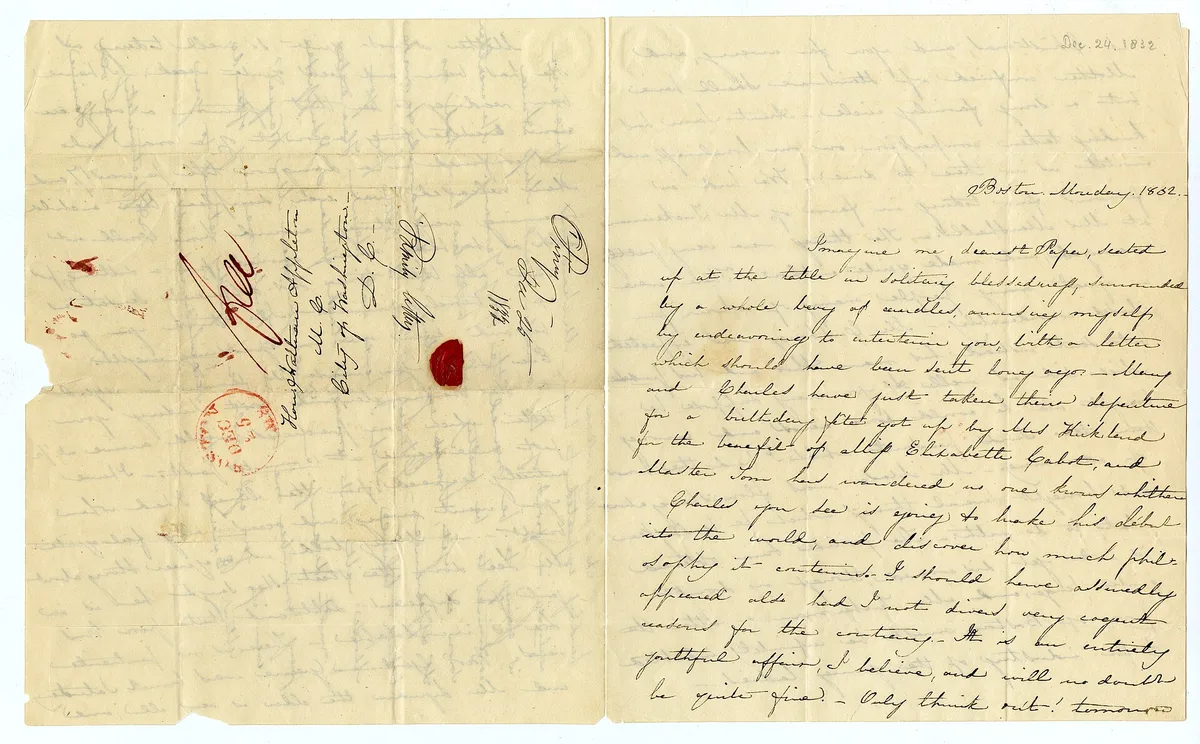
What does a literary agent do? In short: an agent reads manuscripts, decides which writers are worth representing, sells those writers' books to publishers, negotiates the contracts, and then keeps working for the author long after the deal is signed. The agent is paid on commission, which means the agent earns money only when the author does.
That last part matters more than most writers realize. An agent's income depends entirely on the author's income, so the relationship is built on shared incentives. It is also built on trust, because an agent sees a writer's work before anyone else does, including the unfinished and unflattering drafts. Think of the agent as a business partner who happens to love books, not a gatekeeper who exists to say no. This connects to our earlier piece, How Kindle Unlimited Actually Pays Authors: The KDP Select Global Fund, Explained.
The word "literary" itself is broader than the mystique suggests. As Cambridge Dictionary defines it, literary simply means "of, relating to, or dealing with literature" — and per The Free Dictionary, it also covers "the profession of literature." Agents work across that whole profession: novels, memoirs, biography, practical nonfiction, and increasingly the audio and serial rights around them.
What does an agent actually read in a day?
Reading is the quiet core of the job. Agents read queries — short pitch letters from writers seeking representation — and they read sample pages, full manuscripts from existing clients, and the manuscripts they have requested from promising strangers. They also read the market: publishers' catalogues, deal reports, and bestseller lists, so they know what editors are buying this season and what they have bought too much of already.
Most queries are declined, often within a few pages. That is not cruelty; it is triage. An agent can only champion a limited list of clients well, and championing is the point. The reading that matters most is the deep reading of a client's manuscript before submission — spotting the sagging middle, the wrong opening chapter, the ending that gives away its own twist. Many agents edit heavily before a book ever reaches an editor. This is unpaid, invisible work, and it is often the difference between a pass and an offer.
How does an agent pitch a book to publishers?
Once a manuscript is ready, the agent builds a submission list: which editors at which houses are likely to love this particular book. Then the agent sends the manuscript out, usually to a handful of editors at a time, with a pitch letter that frames the book's appeal in commercial and critical terms.
The pitch is where an agent's relationships earn their keep. A good agent knows which editor just lost a similar book and is hungry for one. The agent also manages the clock — nudging editors who go quiet, collecting responses, and creating the conditions where more than one publisher wants the book. Auctions and pre-empts, where houses compete for a title, do not happen by accident. They happen because an agent kept the process competitive and honest.
What happens in the negotiation?
When an editor offers, the agent negotiates. The advance — the money paid up front against future royalties — gets the attention, but the contract terms matter just as much over a book's life. Agents negotiate territory rights, translation rights, audio rights, film options, the number of books in a deal, and what happens if a book goes out of print.
Agents also chase money. Royalty statements arrive twice a year from most publishers, and they are famously hard to read. Part of an agent's day is checking statements, questioning errors, and making sure subrights income — a foreign sale, a book club deal — reaches the client. The commission is typically a percentage of what the author earns, which is why the paperwork matters to the agent too.
What does "championing the list" mean after the deal?
The job does not end at signature. An agent is the author's first phone call when a cover goes wrong, when the publisher misses a marketing commitment, or when the next book stalls. Agents manage careers, not just transactions: advising on whether to take a two-book deal, whether to self-publish a side project, whether the time is right to pitch a new direction.
They also handle the unglamorous middle of a career. Contract clauses get reviewed for reversion. Backlist titles get re-issued. A midlist author's quiet second book still needs an agent reading the royalty statement and arguing about the print run. For every client on a bestseller list, an agent's list holds many writers whose books earned modestly and deserved care anyway.
What this means for writers seeking an agent
Our analysis, from the outside looking in: writers often misread the agent's day. They imagine gatekeeping, when the real work is editing, selling, and administration. That misreading leads to query letters that apologize, or pitches that explain why the book is hard to categorize. A better use of the query is to show the book clearly and let the agent judge — which is, after all, the job.
It also means the relationship deserves scrutiny in both directions. Before signing, a writer can reasonably ask how an agent communicates, what the commission covers, and how submissions are planned. The agent is interviewing the writer too. A list is a portfolio, and both sides should want the fit.
For writers still earlier in the process, our guide to How Debut Authors Get Discovered Today covers how first books find readers, and our piece on why writers write sits upstream of every query letter. If you skip the agent route entirely, the economics change completely — see our explainer on How Kindle Unlimited Actually Pays Authors.
So is an agent worth it?
The evidence of how the profession is structured suggests the honest answer: for most writers pursuing traditional publishing, yes, because the agent's leverage — the editor relationships, the contract fluency, the rights knowledge — is hard to replicate alone, and the commission model aligns the agent's pay with the author's. But it is not the only path. Self-publishing has removed the agent from the middle of many careers, and plenty of writers thrive there. The agent's day, in the end, is spent doing what a good business partner does: reading closely, selling hard, and keeping the paperwork honest. The mystique is the gate. The job is the work.