You can build a home library on a budget by buying most of your books secondhand, shelving them cheaply and well, and letting the collection grow slowly around what you actually read. The core method is simple: thrift stores, library sales, and used-online listings supply books at a fraction of new prices, while basic sturdy shelving costs less than most people fear. What you should not do is buy books to fill shelves.
The honest version of this project takes months, not a weekend. A library built in one afternoon looks like a set; a library built over a year of patient hunting looks like a reader's. Below is the method — where to find cheap good books, how to shelve them without spending much, and how to keep the collection honest.
Where Do Cheap, Good Books Actually Come From?
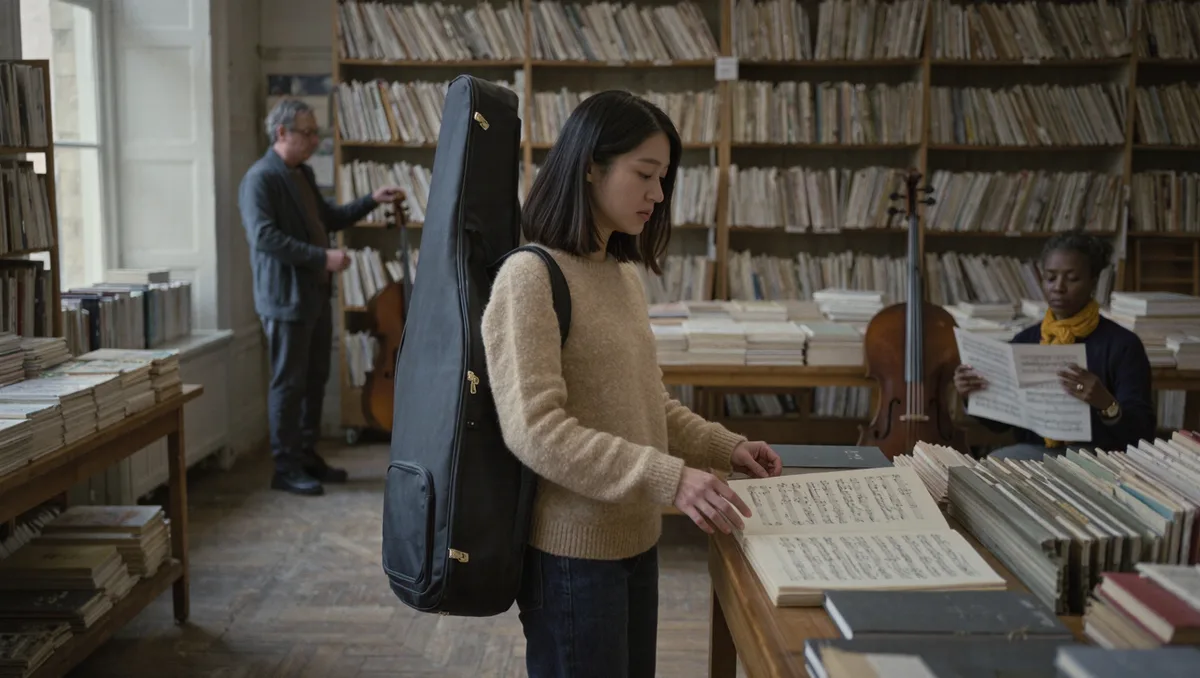
Secondhand is the whole game. Used bookstores, charity and thrift shops, Friends-of-the-Library sales, estate sales, and online used listings all sell books for a few dollars or less, and the condition of a used book is usually a non-issue for reading purposes. A book that has been read twice is not diminished. It is often better company.
Library book sales deserve special attention. They exist to move donated stock, so prices run low and the final day of a sale is usually cheaper still — many sales discount or sell by the bag near the end. The trade-off is selection: you browse what arrived, not what you planned for. That is a feature if you let it be. Some of the best libraries grow sideways, through books you would never have searched for.
Online used marketplaces fill the gaps. When you know exactly which translation of a classic or which printing of a favorite you want, a used listing will find it eventually, often for the price of shipping. Patience is the discount.
Free sources matter too. Project Gutenberg and similar public-domain collections put thousands of classics online at no cost, and we have covered how to read the classics for free, legally. A hybrid library — print for books you love and lend, digital for everything else — stretches a budget further than print alone. E-books also shine for backlist and translated titles, as our pieces on why backlist e-books outsell new releases and why translated fiction thrives as e-books explain.
What Should You Buy New, If Anything?
A small set of purchases is worth full price. Reference books you will use for years, books by living authors you want to support directly, and anything you want in a specific edition — a well-made hardcover of a book you reread — justify new-buyer money. Everything else can wait for the secondhand market.
Our analysis: the test is not "do I want this book?" but "will I want this book on my shelf in five years?" Budget libraries fail through accretion. Every dollar spent on a book you will never reread or lend is a dollar not spent on one you will. Buy the books you would take in a fire; thrift the rest and pass them on.
How Do You Shelve Books Without Spending a Fortune?
Shelving is where budgets quietly die, so decide the system before you shop. Three cheap approaches work reliably:
- Basic flat-pack bookcases. The mass-market laminate and solid-wood options sold everywhere are unglamorous and functional. Anchored to a wall, they hold hundreds of paperbacks safely. Buy one at a time as the collection grows rather than filling a wall with empty shelves.
- Secondhand shelving. Estate sales, online classifieds, and office liquidations routinely offer solid bookcases below the price of new flat-pack. Solid wood secondhand often beats laminate new, at the same money.
- Brick-and-board (for the patient). Bricks and planks make genuinely sturdy shelves for pennies on the dollar. It looks like what it is — a student library. Some readers love that. Nobody has to.
Two practical rules apply to any of these. First, anchor tall shelving to the wall; a loaded bookcase is heavy and a toppling one is dangerous, so follow the manufacturer's anchoring instructions that come with the unit. Second, respect the shelf. Sagging boards mean too much weight or too long a span; shift the books or add support rather than watching the shelf curve over a year. Paperbacks stored upright should not lean at a steep angle for long — it warps them — so either fill the space, use a bookend, or lay them flat.
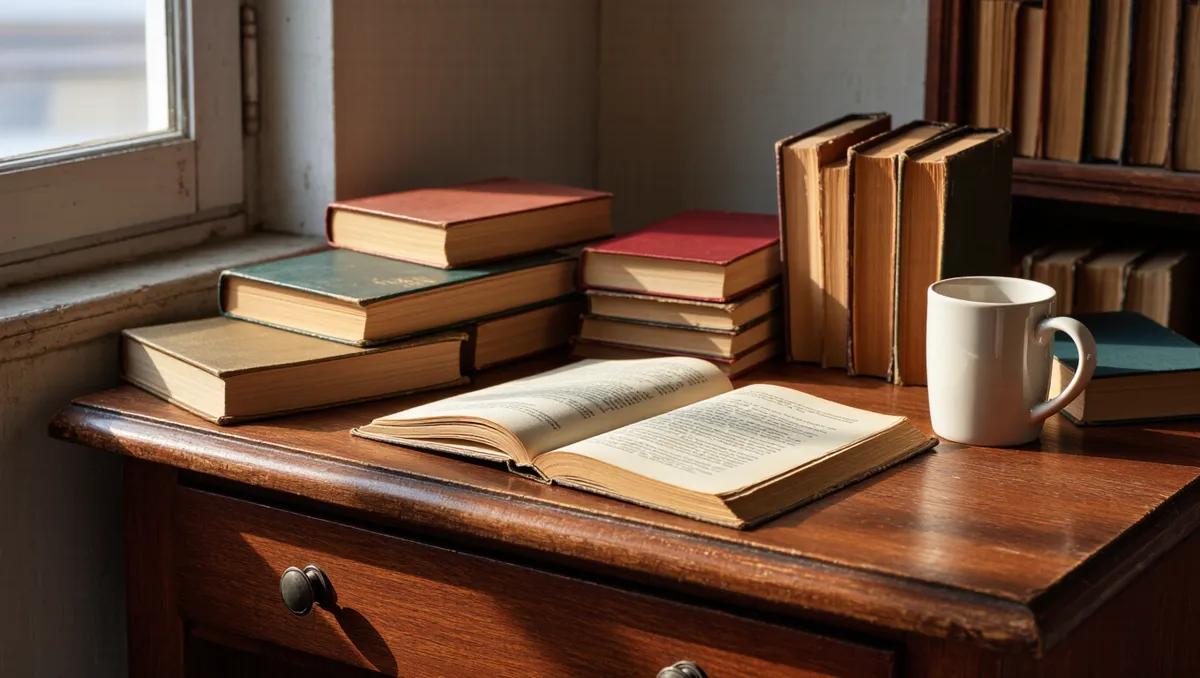
Placement matters more than furniture. Books last longest away from direct sunlight, damp, and heat sources. A cool, dry interior wall beats a sunny windowsill every time. You do not need climate control; you need to avoid the worst spots.
How Do You Organize a Growing Library?
Organize by how you look for books, not by how a bookstore does. Most home readers get along fine with a few broad sections — fiction, nonfiction, poetry, reference — plus a shelf or two for books you are actively reading or lending. Alphabetical within a section is enough. Color-coding looks striking in photographs and makes books nearly impossible to find, which rather defeats the purpose.
Leave room. A shelf filled to the spine makes every future addition a reshuffling project. Aim to keep roughly a shelf-width of slack per bookcase. Growth room is cheap now and expensive later.
Keep a simple inventory as you go — a notebook or a free cataloging app that scans barcodes. It sounds fussy until the day you cannot remember whether you own a book, buy it twice, and remember this paragraph. A list also makes insurance and moving easier, which matters more as the collection grows.
What This Means for Your First Year
Practical steps, in order:
- Set a monthly book budget — even a small one — and treat thrifted finds as the bulk of it.
- Buy one bookcase, not five. Grow into the wall.
- Start with the books you already own and love; the library is built around a core, not from scratch.
- Fill gaps with library sales and used listings, one patient search at a time.
- Go digital for anything you would read once — our guide to how e-books changed genre reading covers how much reading now happens on screens.
- Prune yearly. Sell, donate, or gift what you will not reread. A budget library stays budget by staying curated.
One honest note on what this guide does not do: it does not promise that thrifted books will be pristine, that any particular sale in your town will have good stock, or that a specific shelf model will suit your wall. Those depend on local luck and your own measurements. What the method does promise is direction: secondhand first, shelving bought slowly, digital where print is not earning its keep.
The Long View: Why a Budget Library Works
A home library is one of the few collections that appreciates in use rather than in price. The value is not the resale — most used books are worth little — but the fact of having the right book at hand the evening you need it. That value compounds, and it does not care how much any single volume cost.
So the closing advice is the gentle, merciless kind: build slowly, buy used, shelve sturdily, and prune without sentiment. A library assembled this way will hold your favorite books, cost less than a month of streaming subscriptions over a year, and look like it belongs to someone who reads. Which, presumably, is the point.
Sources: crazygames.com · topgames.gg