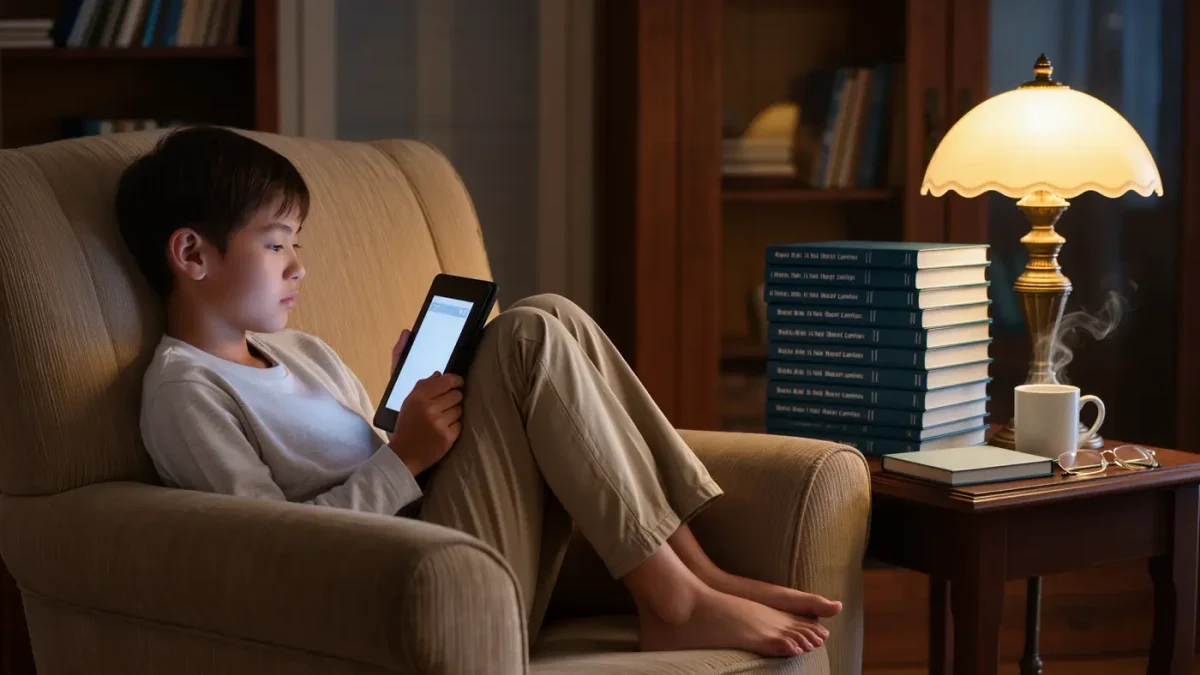
By making the next book one tap away. Genre fiction — romance, fantasy, science fiction, thrillers — was e-reading's first and heaviest adopter, and the effect compounded: Bloomsbury posted record annual revenue in fiscal 2024, per Publishers Weekly's coverage, powered largely by fantasy-romance series whose readers buy entire backlists in a single sitting. Genre didn't just move to digital. It multiplied there.
The relationship runs deeper than format preference. Genre reading is serial, fast, and socially contagious — three traits that digital retail amplifies and print retail quietly discouraged. Unpack those three traits and most of the last fifteen years of bestseller lists start making sense.
Why Did Genre Readers Move to E-Books First?
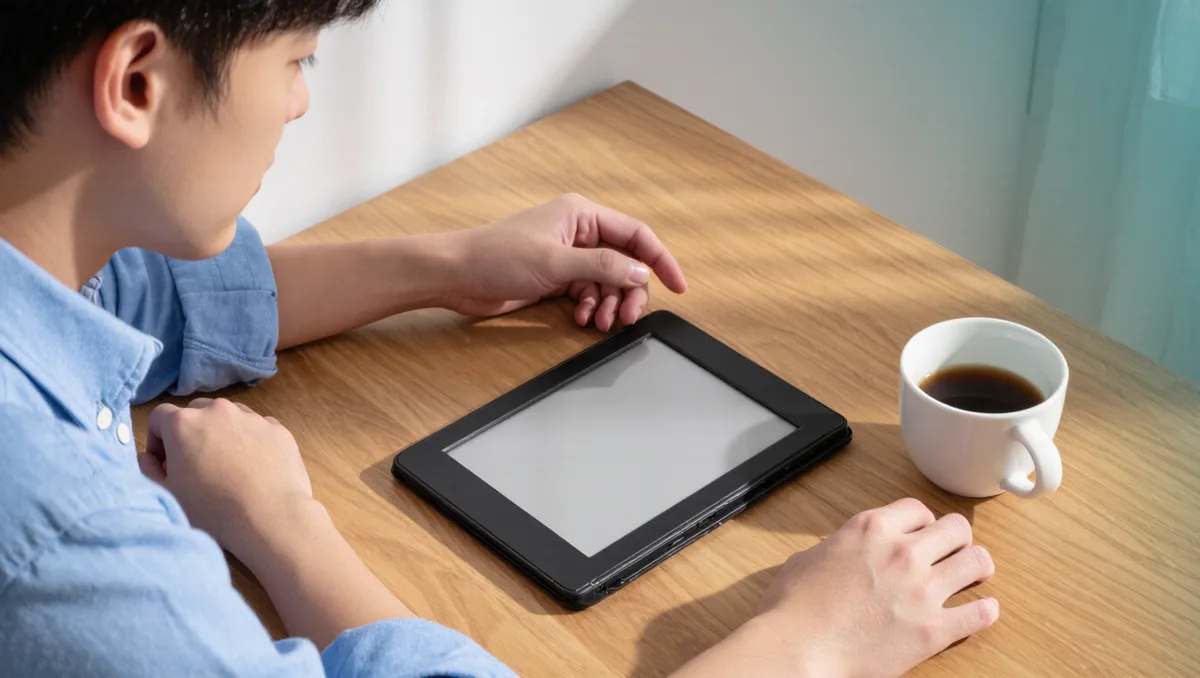
Privacy, catalog depth, and impatience. An e-reader shows a neutral cover to the subway while you read whatever you actually want to read; it carries the whole backlist of a forty-book series; and it delivers the sequel the minute it goes on sale. Genre readers wanted all three things for decades. Around 2010, they got them at once.
Romance led. The genre's readers were disproportionately female, commuter-aged, and volume-driven — a perfect match for a device that stores two hundred books and judges nobody. Fantasy and science fiction followed on catalog depth alone: when your comfort read is book eleven of a series that started in 1998, the store that still stocks book one wins. Thrillers arrived third, carried by the midnight-release crowd who refused to sleep on a cliffhanger.
The stigma point deserves more credit than it gets. For many readers, the e-reader's blank gray frame was the first time reading exactly what they wanted in public felt free of commentary. Sales data reflects what people buy; e-readers changed what people felt comfortable buying. For ongoing reporting on publishing's results, Reuters' media and telecom industry coverage tracks the quarterly numbers behind these shifts.
How Did Serial Publishing Speed Up?
Dramatically. Digital delivery removed printing and distribution from the calendar, so series moved toward faster cadences: more releases per year, preorders opening months early, and cliffhangers resolved in weeks instead of publishing seasons. Waiting became optional, and waiting was the old model.
The mechanics compound. A reader who finishes book one at 11 p.m. can buy book two at 11:01 — so series front-load their hooks and treat every final chapter as a storefront. Independent genre authors pushed cadence furthest, with some releasing full-length novels every few months, because digital retail rewards momentum: each new release re-merchandises the entire back catalogue for free. Traditional publishers responded with faster schedules of their own and with boxed sets that lower the entry price of a long series.
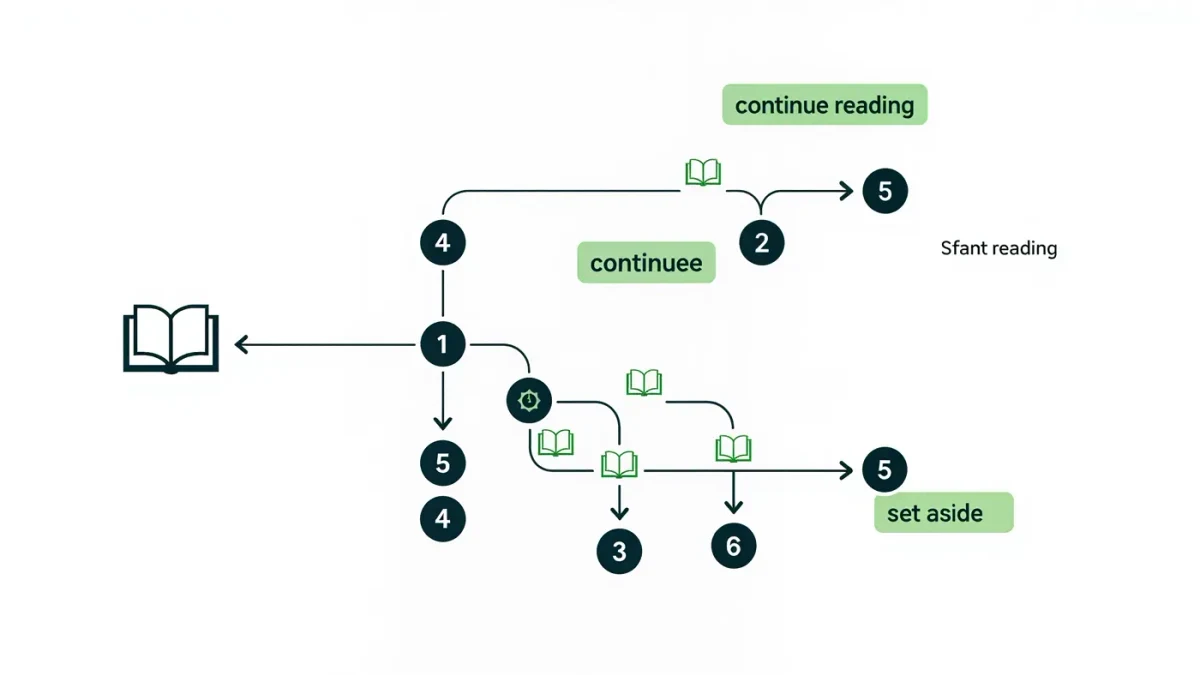
The pace has a cultural side effect: series literacy. Genre readers now track release calendars, pre-order campaigns, and reading-order diagrams the way sports fans track rosters. The book between books — the novella, the short story bridge — became a standard tool for keeping a series warm, something print economics rarely bothered with.
What Did Online Communities Change?
They became the genre's real storefront. Reader communities on social platforms put books in front of exactly the right reader at scale, and they did it with emotional testimony — crying videos, annotated pages, spoiler-tagged arguments — that no front table could replicate. Discovery moved from the shelf to the feed.
The clearest example is what book-focused short video did to backlist. Starting around 2020, online reading communities repeatedly sent years-old fantasy and romance novels back up bestseller lists — titles whose marketing budgets were long spent, resurrected by a nineteen-year-old's three-sentence review. Publishers noticed and now print special editions to meet demand that arose a decade after publication. Nobody planned this loop: community enthusiasm, instant digital availability, print collectibles. It found its own shape.
Communities also changed what authors owe readers between books. Newsletters, bonus chapters, and discussion threads keep a series present in readers' minds during the long gap — the gap that used to be filled by nothing but hope.
What Did We Lose in the Trade?
Some friction, and friction was doing quiet work. The year between installments used to be when anticipation formed and casual readers naturally exited series that weren't working for them. With the sequel one tap away, exiting feels like quitting — so series pile up unfinished, and binge fatigue is now a recognized reader complaint rather than a personal failing.
Three honest costs:
- Cliffhanger inflation. When every ending is a sales pitch, endings suffer; some series now feel structured like funnels rather than stories.
- Review pressure. Community passion cuts both ways — organized backlash and review-bombing have become genre hazards that print-era authors never faced.
- Completion guilt. Digital shelves display your unfinished series like open browser tabs, silently counting.
None of this outweighs the access. A reader in a town with one small bookstore now has the same genre catalog as a reader in Manhattan, and that is not a small thing. But the trade is real, and honest genre readers admit both halves of it.
Frequently Asked Questions About Genre E-Reading
Did e-books kill print genre sales?
No — the formats feed each other. Digital made series binging cheap and frictionless, while print benefited from the collector instinct: special editions, sprayed edges, and signed copies became celebration purchases for series discovered digitally. Industry revenue reporting through 2024 shows trade formats growing together rather than one cannibalizing the other.
Why is romance so digital?
Privacy, volume, and price. Romance readers read more books per month than almost any group, often prefer discretion in public, and respond strongly to backlist pricing. The e-reader solved all three at once. The genre's digital strength is a logistics story, not a content story.
What is romantasy, exactly?
Fantasy with romance at the center of the engine — series where the love story and the worldbuilding carry equal weight. The blend boomed in the 2020s and drove several publishers' record results, including Bloomsbury's fiscal 2024. If you enjoyed one, the community reading-order maps are extensive and fiercely maintained.
Do genre readers still buy print?
Emphatically, for the same series they read digitally. The pattern is common: discover on e-book, binge on e-book, then buy the physical boxed set of the series you loved. Print has become the trophy format; digital is the working one. Both halves are healthy.