Usually through retail and public-domain channels that a school-board vote cannot reach. PEN America counted 10,046 instances of school book bans in the 2023-24 school year, and its index logged 6,870 more in 2024-25 — yet in nearly every case the same titles remain a tap away in commercial e-book stores. Removal from a school shelf is not removal from the culture. It is removal from a shelf.
INKLESS BOOKS publishes information, not legal advice. Book challenges involve school policy, state statutes, and First Amendment questions that only a lawyer can untangle for your situation. What follows is reporting on how digital access behaves when physical access shrinks — for students, parents, and the generally curious.
What Actually Happens When a Book Is Challenged at a School?
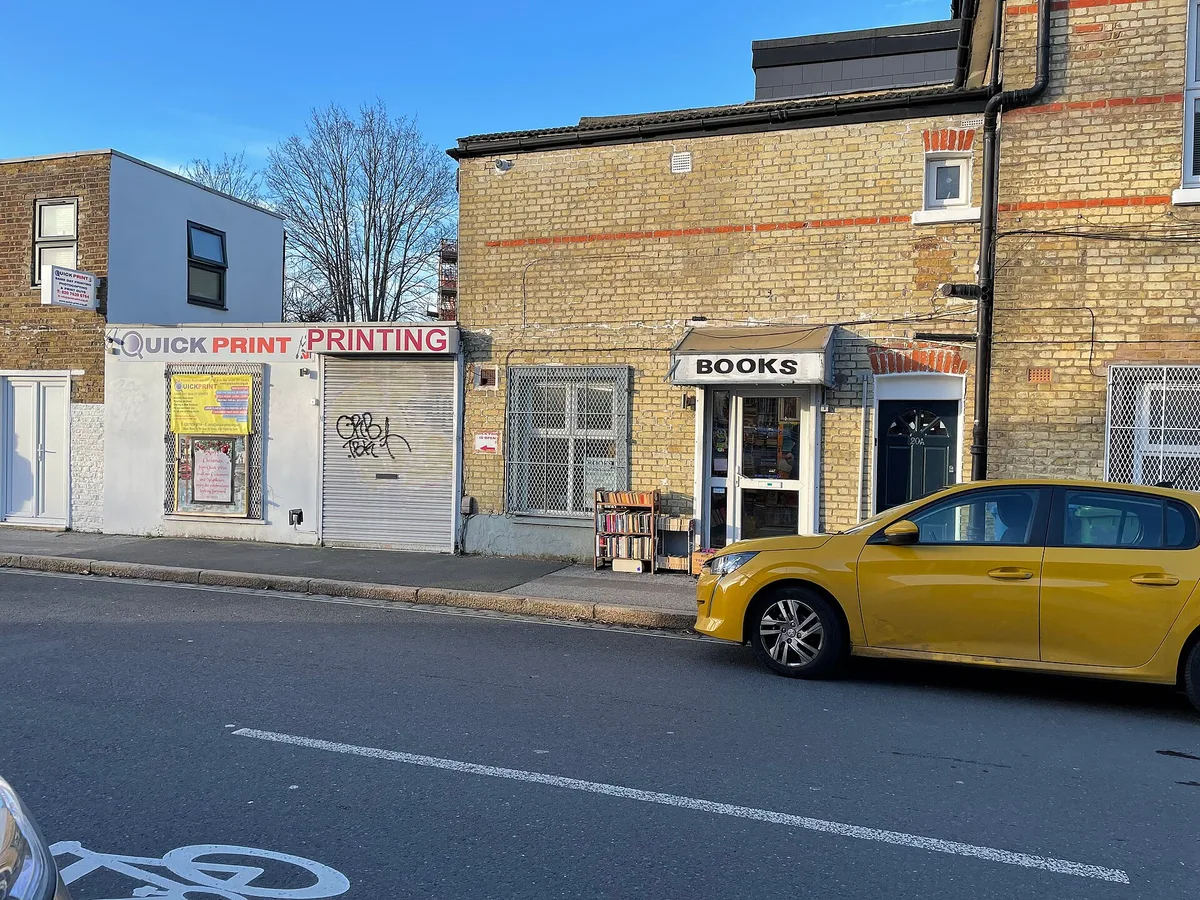
A challenge is a request for removal; a ban is the removal decision. The scope is almost always one district's classrooms or school libraries — not the town, not the public library, not the bookstore, and not the internet. A book can vanish from a middle-school shelf and remain fully legal to buy, assign privately, or read anywhere else.
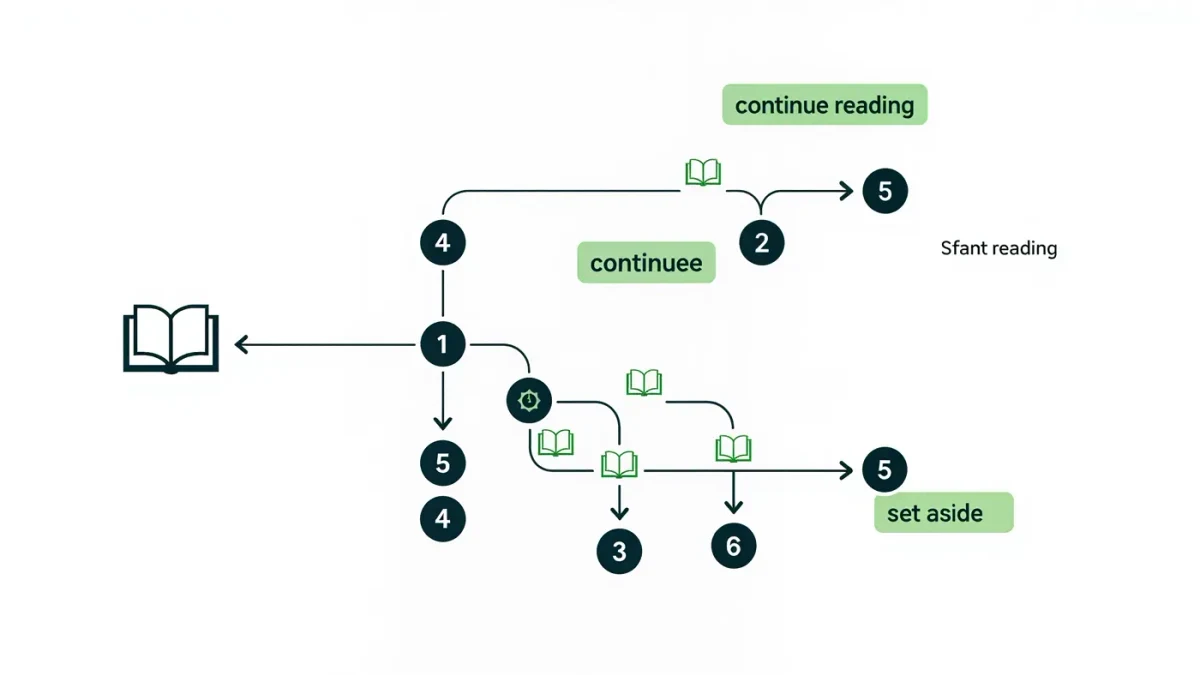
Processes vary by district, but the usual shape is this: a parent or resident files a reconsideration request, a committee or administrator reviews the title against selection policy, and the book is retained, restricted (say, to one grade level), or removed. Some states have added statutory review requirements in recent years, which is part of why PEN America's counts rose so sharply in the 2023-24 school year and then declined somewhat the following year as litigation and policy shifts played out.
Two distinctions do most of the intellectual work. Curriculum versus library: a school choosing not to teach a book is different from a library withdrawing it. And local versus national: nothing about a district decision travels to other districts or to commerce. Most of the heat in this debate comes from blurring those two lines.
Can You Still Read a Challenged Book Digitally?
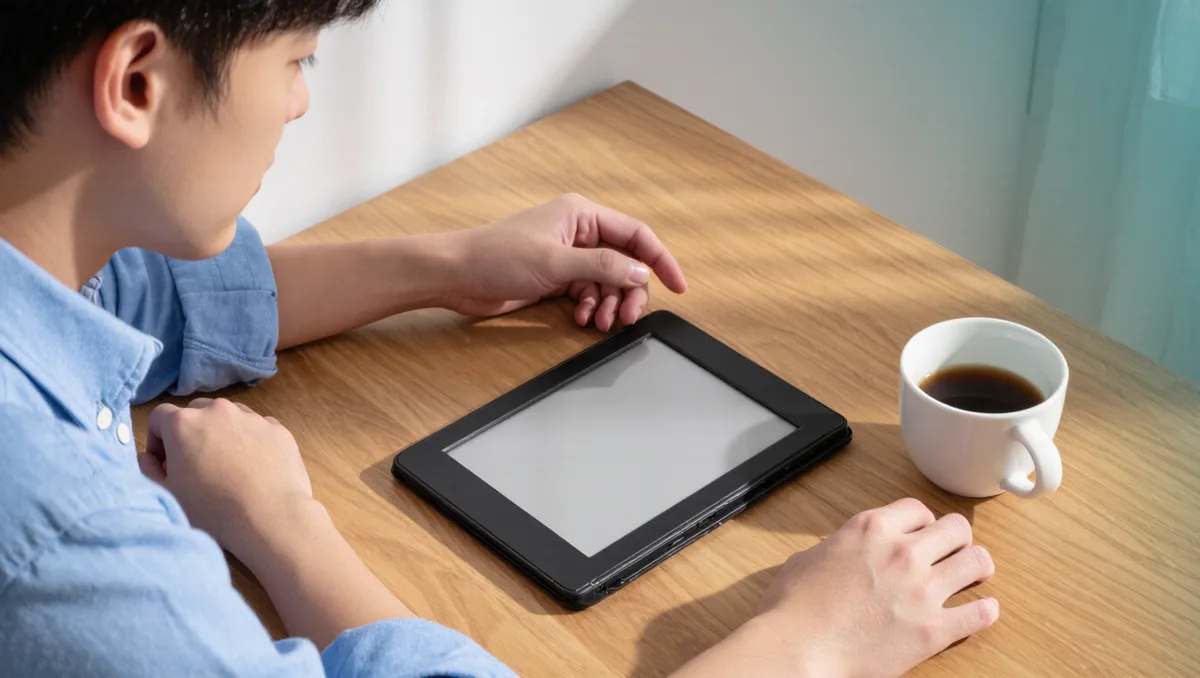
Almost always, yes. Commercial e-book stores carry the overwhelming majority of challenged titles — bestsellers draw challenges precisely because they circulate widely — and public-domain classics stay free regardless of any school's decisions. Buying a book is unaffected by a review committee three counties over.
The practical path for a student or parent is short: the title exists in every major store; the account's age settings and any parental controls determine what a minor can purchase; and a public library card extends the shelf further through its digital collection. School decisions constrain school shelves. They do not follow the reader home.
There is an honest wrinkle: access at school is a different question. School networks run content filters that often block store sites entirely, and classroom reading platforms curate their own catalogs. So the same student may have a challenged book on a personal phone at home and no route to it during study hall. Digital access holds up — but it holds up off-campus.
Do E-Books Get Restricted Too?
Yes, through different mechanisms: network filters, platform curation, store age-gating, and parental controls. A school removing a print title is a policy act; a filter blocking a store's website is a technical act with the same effect during school hours. And rarely, a platform or publisher decides on its own to delist a title, which makes news precisely because it is unusual.
The mechanisms matter because they respond to different pressures. Filter policies are set by districts and vendors; store age settings by account holders; platform delistings by companies. None of these are court orders — they are decisions, each reversible by whoever made them. Readers who care about a specific title usually find that patience, a parent's signature, or a library card solves the problem faster than outrage does. Outrage has its place. It just isn't a login.
For ongoing documentation of challenges and removals, Reuters' media and telecom coverage tracks the state-level policy fights, while published indexes from the American Library Association and PEN America catalog individual titles school year by school year.
How Do Families Use Digital Access Well?
Treat it as a tool for choice rather than an end run. Store controls let parents set what a child's account can buy; samples let families preview a book's actual content instead of arguing about a headline; and a shared evening reading one contested chapter beats a month of op-eds. The shelf stopped being the gate. The conversation is the gate now.
A workable pattern for many households:
- Set the controls once, together. Age settings and purchase approvals are a five-minute conversation that prevents a hundred smaller ones.
- Use samples before verdicts. Reading the first chapter of a challenged title beats litigating it secondhand.
- Distinguish age-appropriateness from approval. 'Not yet' is a legitimate answer; 'never' deserves more evidence.
- Respect the neighbor's shelf. What your family reads and what theirs reads are, in fact, different questions.
The digital era made books nearly impossible to suppress and slightly harder to curate. Both halves of that sentence are true, and families get to live with both.
Frequently Asked Questions About Banned Books and E-Reading
Is it legal to buy a book that was banned at a school?
In the United States, yes — school removals are local decisions about specific shelves, not prohibitions on sale or ownership. 'Banned' is a description of a shelf, not a legal status. Commercial stores sell these titles every day. Legal questions about specific obligations, such as assigned school reading, belong with a lawyer or your district.
Why do schools remove books at all?
Usually as a formal response to a challenge: a resident requests reconsideration, and the district reviews the title against its selection and age-appropriateness policies. Recent state laws have expanded what must be reviewed. The stated rationales range from sexual content to language to age suitability, and the reviews are as varied as the districts running them.
Do challenged books end up selling more?
Often, yes — visibility is visibility. Industry reporting has repeatedly noted sales bumps for titles that make news through challenges, because a controversy introduces the book to thousands of readers who had never heard of it. Removal efforts function, commercially, as extremely loud advertising.
Where can I see what has actually been challenged?
Two public indexes: the American Library Association publishes annual lists of most-challenged books, and PEN America maintains a searchable index of documented school bans, school year by school year. Local districts keep their own reconsideration records, which are usually public documents worth requesting directly.