With setup, not willpower. Position sync across devices has existed since Amazon introduced Whispersync with its second Kindle in February 2009, per contemporaneous coverage of the launch — and a series reread is exactly what that infrastructure was built for. The readers who get lost aren't undisciplined; they're unorganized. Ten minutes of prep fixes a decade of sprawl.
The sprawl is real. A nine-book series read between 2013 and 2024 lives in three stores, two editions, one abandoned device, and a memory that confidently places the funeral in book five. (It was book three.) Digital reading scattered the shelf; digital tools can reassemble it — if you arrange them before page one.
Why Do Series Rereads Fall Apart?
Because print solved order physically and digital solved convenience instead. Spines on a shelf are the reading order; a library of files sorted by purchase date is a shoebox. Add editions, novellas between the numbers, and a two-year gap since book six, and the reread stalls by chapter four of wherever you mistakenly started.
Memory is the other saboteur. Going back to a series you half-remember means the first hundred pages feel slow — you're not discovering, you're defragmenting — and the instinct to skip ahead to the good one kicks in. Skipping is how rereads die: you lose the connective tissue that made the good one good. Data on American reading habits from the National Endowment for the Arts keeps showing a minority of adults reading fiction at all, so series rereaders are an unusually committed breed — which makes it stranger how little help the default setup gives them.
The failure mode, in short: no single place where the series exists as a series. Fix that and most of the confusion evaporates.
How Do You Set Up a Series Reread Properly?
One collection, verified order, clean progress, notes enabled. Every major reading app and device supports collections or shelves; the trick is building them deliberately, not retrospectively. The setup takes about ten minutes per series.
- Find the official order. Check the author's site or the publisher's series page — publication order, in-series chronology, and recommended order often differ once prequels and interstitial novellas exist.
- Build one collection named for the series and add the titles in order, including the novellas you're choosing to read or consciously skipping.
- Reset old progress on every title. This is the step everyone misses — see the next section for why.
- Turn sync on and sign into the same account on every device you'll touch.
- Start a fresh note at the beginning of book one: today's date, one line on why you're rereading. Future-you will find it weirdly moving.
Then read in order, trusting the collection rather than your recollection. The list is smarter than the memory. It usually is.
How Do You Keep Your Place Across Devices?
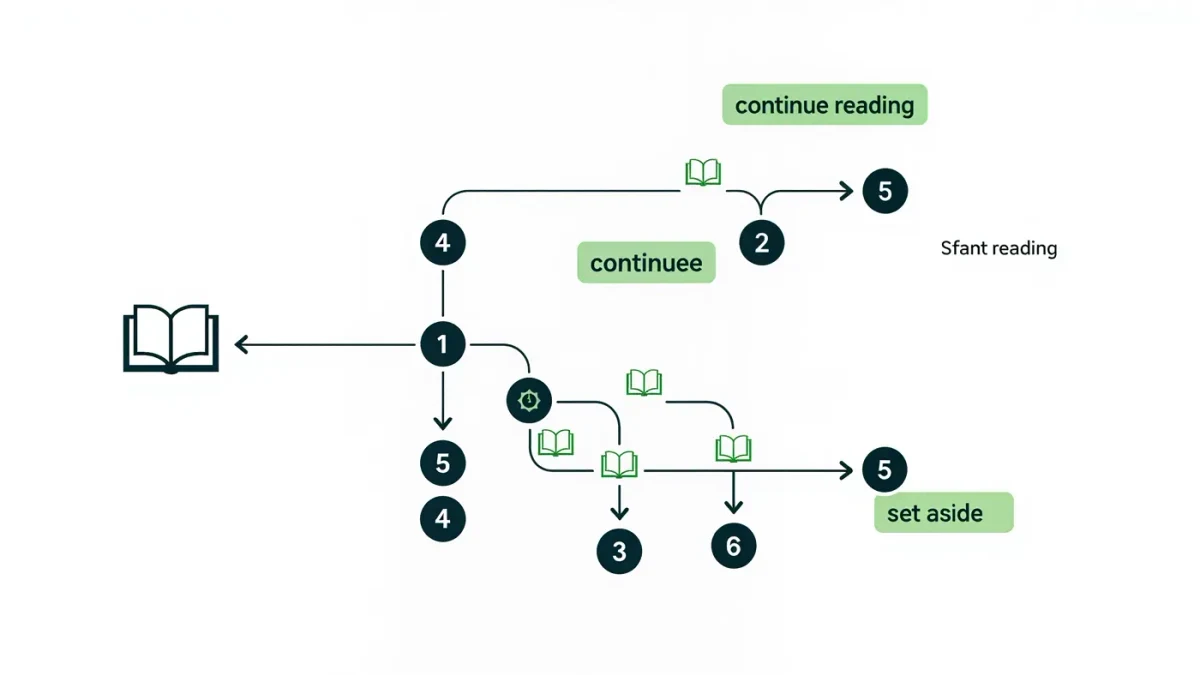
Sign in everywhere, keep sync enabled, and — crucially — clear the old furthest-page marker before starting the reread. Sync is faithful: it will faithfully return you to page 312, where you abandoned book four in 2019, with total disregard for your new intentions.
The furthest-point marker is the classic reread trap. Reading systems remember the farthest location ever reached, not the last page read, so a bookmark you left mid-binge years ago outranks your current position. Most platforms let you reset or clear it per title; do it during setup and the trap never springs. If you use a family library, also confirm which profile's progress is syncing, because shared shelves track people, not households.
Two smaller habits help. First, one book at a time — sync works best when it's tracking a single active position per title rather than a skirmish. Second, when you switch devices, open the book and let it sync before you start swiping; impatient page-turns on a stale copy occasionally outrun the update. Boring advice. Reliable advice. Those often coincide.
What About Chronological Versus Publication Order?
Default to publication order for a reread, with one exception: if a prequel or interquel exists and you've read the series before, chronological order can be a genuinely new experience. Publication order is how the author paced the reveals; chronological order is how the characters lived it. Both are correct. Choose on purpose.
Publishers disagree with themselves sometimes — in-book numbering can differ between editions, especially when a series changed publishers or a novella got promoted to a numbered entry. Trust the author's or publisher's current series page over the number printed on a 2012 cover. For long-running series, fan-maintained wikis keep rigorous order lists, including the fussy cases: companion novels, anthologies, and the story that was retconned into a different trilogy entirely.
Rereads also change what spoilers mean. Knowing the ending of book one reframes every scene of the series — which is rather the point of going back. The order you choose is the lens; the books are the same books. Choose the lens deliberately.
Frequently Asked Questions About Rereading Series
Should I reread book one if I only half-remember the series?
Almost always, yes — the half-remembered state is the worst one to read from, because you can't tell foreshadowing from new information. If book one truly drags for you, read a recap instead of skipping blindly, then start the reread at the earliest book you genuinely don't remember. Honest skipping beats guilty stalling.
How do I reset my reading progress before a reread?
Look for the option usually called furthest-page or reading-position reset, available per title on the major platforms, then reopen the book to confirm it lands on page one. Do this during setup for every title in the series at once — one deliberate purge beats resetting each book the moment you trip over old progress.
What if my series is split across stores or editions?
Consolidate before you start. Mixed editions mean inconsistent numbering, mismatched covers, and translations that renamed characters between volumes — small things that quietly disorient. Rebuying one or two titles for edition consistency is a fair price for a clean reread. The shoebox should at least be one shoebox.
Is there an easy way to see where I stopped months ago?
Yes: the same sync that tracks your position also reports it — open the title and check the current location before assuming you're lost. For a gentler memory, your highlights and the dated note from your setup list give you a breadcrumb trail of what you were thinking, which no progress bar can. Position tells you where. Notes tell you why.