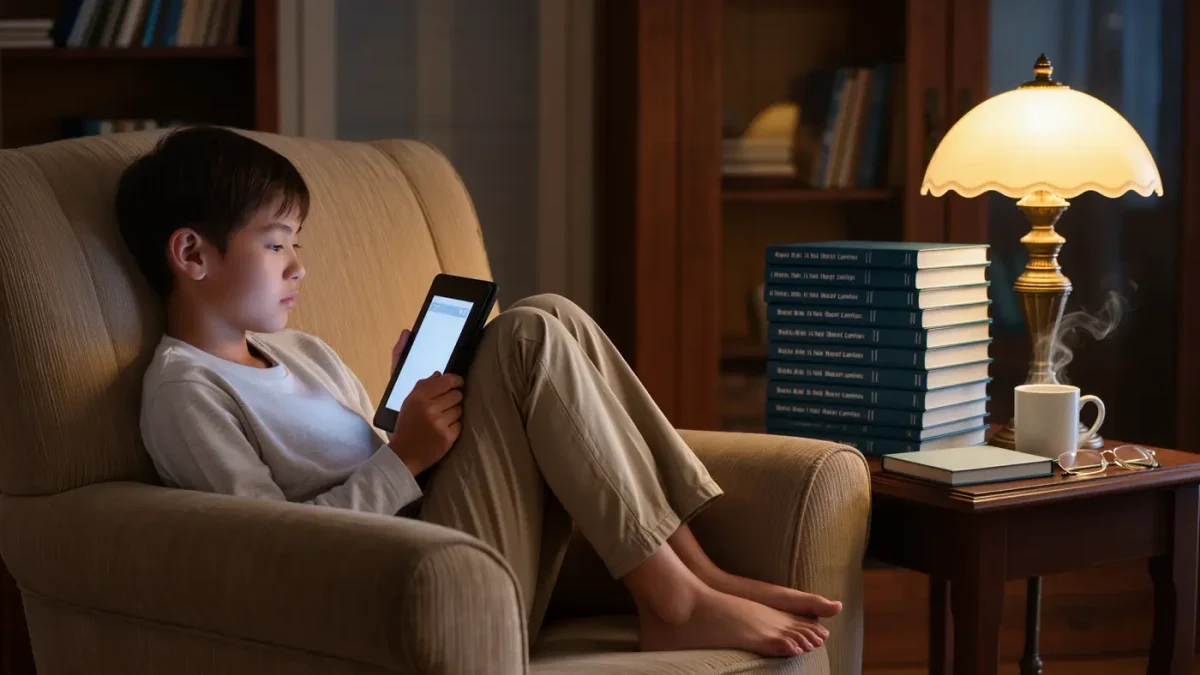
We abandon books because time is short and guilt was never a good reason to keep reading. Per the U.S. Bureau of Labor Statistics' 2024 American Time Use Survey, Americans average well under half an hour of recreational reading a day — too little to waste on a book you actively dislike. E-books lowered the cost of quitting: free samples before buying, invisible abandonment after. Quitting a book is not a character flaw. It is a skill.
Every reader has a graveyard: the novel parked at page 63 since 2021, the memoir that lost the argument at chapter two, the classic acquired for the shelf it would decorate. What has changed in the digital decade is not the graveyard. It is the tombstone — there isn't one anymore.
Why Do We Feel Guilty About Abandoning Books?
Sunk cost plus identity. A finished book once demonstrated discipline; a half-read one demonstrated failure, sitting on the shelf as physical evidence. Schooling finished the conditioning: completion was graded, abandonment was not. The unread book is the only household object designed to make you feel bad about itself daily.
The guilt economics were always absurd. Once you have paid for a book and disliked it, continuing to read it is paying again — in the only currency you cannot earn back — to punish yourself for the first payment. Rational readers abandon; guilty readers accumulate. Most of us alternate.
Digital shelves changed the emotional geometry of the pile. An abandoned e-book has no spine facing you from across the room; it is a progress bar set to 31 percent, felt only when you go looking. This sounds trivial. It is not — removing daily visual nagging removes most of the shame, which for many readers was the only thing making them finish books they hated.
What Is DNF Culture, Really?
A permission movement. DNF — did not finish — became a public badge in online reading communities: shelves marked DNF, reviews that proudly stop at page 120, quit-stories exchanged like battle scars. Where the previous generation whispered about abandoning books, this one tracks them, tallies them, and treats the count as taste data.
The cultural work is real. Normalizing abandonment converts a private moral failure into a consumer decision, which is what it always was. It also sharpens recommendation culture: knowing what you refuse to finish defines your taste as precisely as what you love, and honest DNF reviews save strangers twenty dollars more reliably than polite four stars.
There is a fair critique, too. Abandonment is a skill with a failure mode — quitting at page 12 because the weather of the prose felt wrong, then missing the slow build that pays off at page 300. The communities that handle this best distinguish not for me from bad, and treat a DNF as a verdict on a match rather than on a book's right to exist. Most authors, for the record, would rather you stopped than suffered. Suffering readers do not buy book two.
How Do Samples Change What We Abandon?
They move the quit decision before the purchase. Downloading the free opening — a convention as old as the modern e-book store — lets you reject a book while it still costs nothing, so fewer bad matches ever become abandoned purchases. The graveyard gets fewer burials because the funeral is free.
Samples work best on readers who use them honestly: read the whole sample, not the first screen; notice whether you are enjoying it or merely tolerating it; and check a middle-of-book section if the store's preview allows it, since many books open with their best chapter. Per the Pew Research Center's April 2026 survey, 31 percent of U.S. adults read e-books — a minority with access to a pre-purchase escape hatch that print browsing never offered at this scale.
The known flaw: front-loading. Some books put all their energy into the sample and go quiet after purchase; some slow-burners bore at page 30 and win by page 300. Samples reduce bad matches; they do not eliminate them. Pair the sample with a refund window where your store offers one, and the worst case shrinks to a mild inconvenience.
When Should You Actually Abandon a Book?
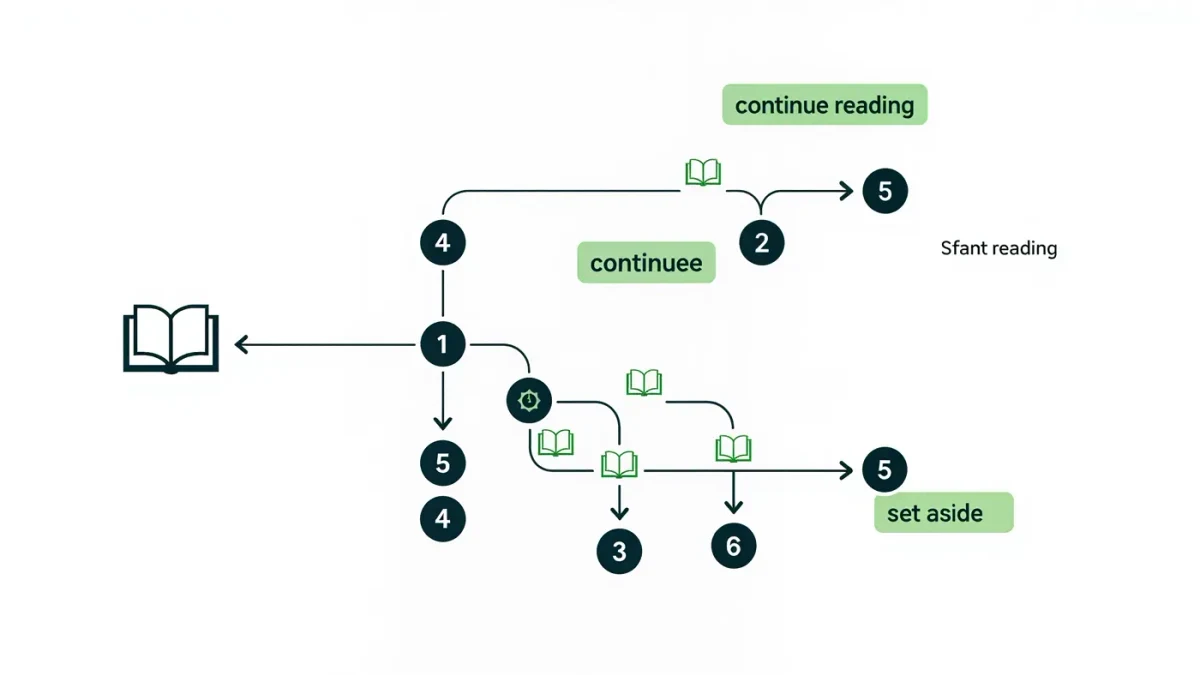
When dread replaces curiosity for two reading sessions in a row, or when the hundredth page delivers nothing the tenth promised. Those are signals, not weakness. The exceptions are real but narrow: assigned reading, research, and the rare slow-burner you have good reason to trust.
A practical checklist before the verdict:
- Mood check. Wrong week for a grief memoir is not the same as a bad grief memoir — consider parking rather than quitting.
- Page check. Under 40 pages is a first date; 100 pages with no spark is data.
- Reason check. 'I dislike the prose' is a verdict. 'I am tired' is a nap.
- Shelf check. Park the book with a one-line note about why — future-you deserves evidence, not a mystery.
The third option deserves its billing: on hold is not abandonment. Many books are simply mistimed, and the digital shelf — infinite, patient, unjudging — is the perfect place to let them wait until you are the reader they needed.
Frequently Asked Questions About Abandoning Books
Is it bad to abandon books?
No. Reading time is the scarcest leisure time there is, and spending it on a book you dislike to honor a sunk cost is the genuinely bad outcome. Abandonment is taste information — the more honestly you quit, the better your next choice gets. The only real failure is quitting so fast you never learn what you like.
How many pages should I read before quitting?
The folk rule of fifty to one hundred pages works well for most adult fiction: enough for the book to state its case, not so much that finishing feels obligatory. Adjust for length — thirty pages is plenty to judge a novella, and a doorstop epic might earn more patience. The number is yours; just pick it before you start.
What is the difference between DNF and on hold?
Intention. A DNF is a verdict — this book and I are done — while on hold is a postponement for a better week, mood, or reading season. Digital libraries make on hold nearly free, since an e-book waits indefinitely without judgement or shelf space. Verdicts inform your taste; postponements respect the book's timing.
Do samples really prevent bad book purchases?
Mostly, with one honest caveat: samples reward books with strong openings and can misrepresent slow-burners. Read the full sample, and if the store allows, preview a later chapter too. Between samples and refund windows, the modern bad purchase is recoverable — a level of purchase protection print browsing never had.