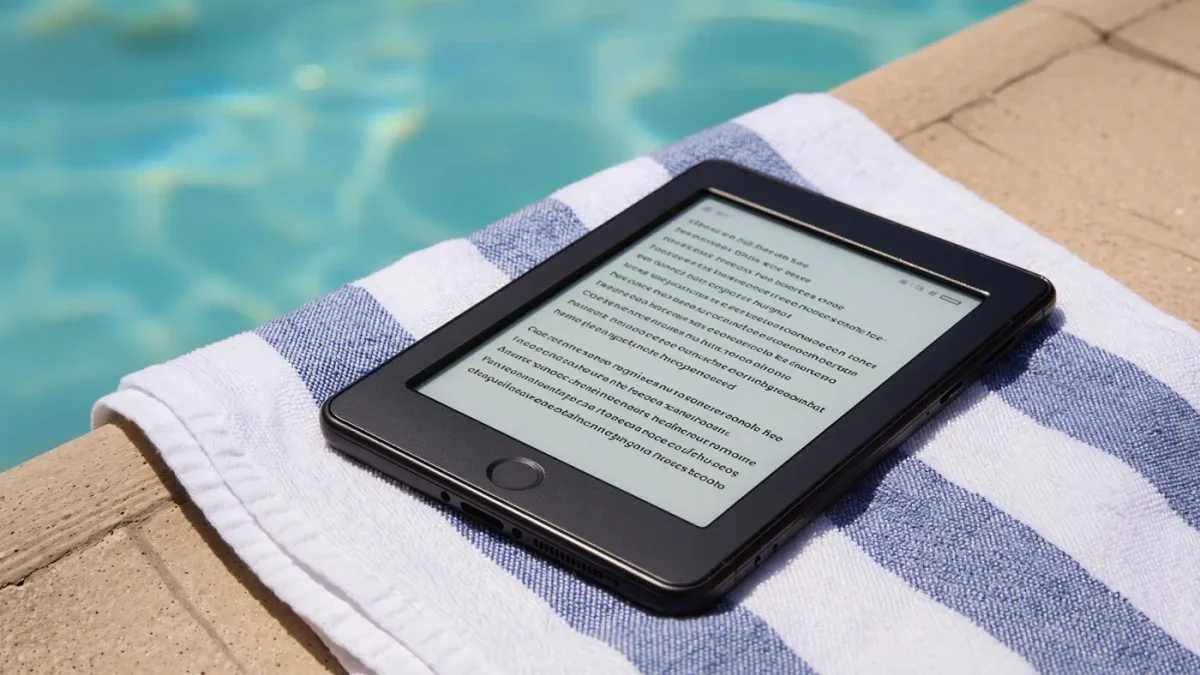
On the supplied evidence — Amazon's spec pages and named reviews from Mashable and ZDNET — the Kindle Paperwhite (12th generation) is the battery-life pick at $159.99 as of July 2026. Amazon rates it at up to twelve weeks per charge, the strongest claim in the current mainstream line after its Signature sibling, with reviews treating the figure as plausible. The squinting part: that claim assumes half an hour of reading a day, wireless off, light at a set level — a recipe so gentle that heavy readers live in a different universe. Weeks, yes. Your weeks, mostly no.
| Product | Maker | Price | Configuration | Release date | Basis of coverage |
|---|---|---|---|---|---|
| Kindle Paperwhite (12th gen) | Amazon | $159.99 as of July 2026 | 7-inch 300 ppi E Ink, 16 GB, USB-C, IPX8 | October 2024 | Amazon spec page; Mashable and ZDNET coverage |
Where the evidence comes from
- Amazon's Paperwhite spec page and its battery-test documentation: up to 12 weeks based on half an hour of daily reading with wireless off and light setting 13.
- Wired's Kindle roundup for the entry Kindle's roughly six-week figure under the same assumptions; Amazon's Colorsoft page for the eight-week color-device claim.
- ZDNET's Paperwhite Signature coverage, which describes roughly three months per charge for the $199.99 Signature Edition.
- Rakuten Kobo's product listings, which promise long battery life in weeks-scale terms without publishing a numbered test recipe — a vagueness worth naming.
Whose weeks are we counting, exactly?
The recipe is the claim. Per Amazon's documentation, twelve weeks means thirty minutes of reading per day with Wi-Fi off and the front light fixed at level 13 — call it 42 hours of total reading. That is a fair portrait of a casual reader and a cartoon of a committed one. Mashable's review accepted the figure in those terms. Every number below inherits the same asterisk.
What actually drains an e-reader?
E Ink draws power on page turns, not on static pages — the design fact behind every weeks claim. The controllable drains, in order: front light brightness, wireless sync, and sheer reading volume. The honest arithmetic: a reader doing three hours a day spends the Paperwhite's 42 claimed hours in about two weeks. Still excellent. Not twelve weeks. Nobody is lying; the assumptions are just narrower than your reading habit.
Do bigger and color screens cost runtime?
Yes, per Amazon's own ladder. The $109.99 basic Kindle claims about six weeks; the Paperwhite claims twelve; the Colorsoft, with its color layer, claims up to eight; and ZDNET credits the Signature Edition with roughly three months. Color costs roughly a third of the claim. Kobo's published figures are too vague to ladder — its listings promise long, weeks-scale life without a test recipe, so no cross-brand comparison is possible from supplied coverage. Different recipes, different weeks.
What about charging and battery care?
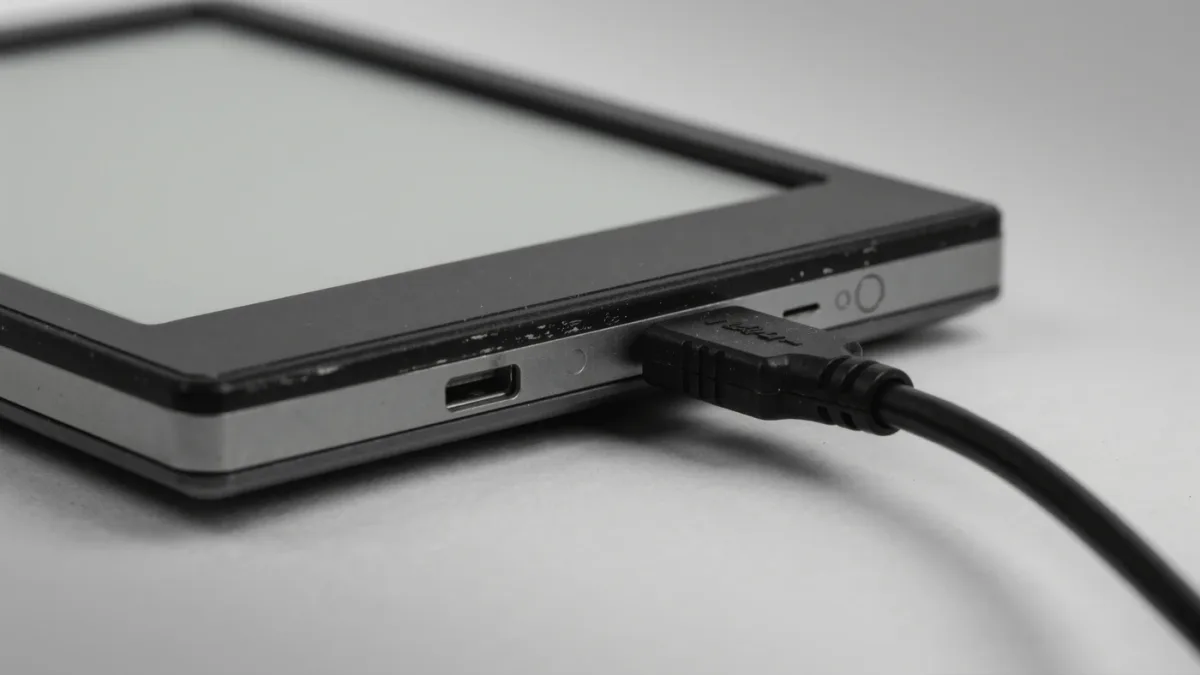
USB-C is universal across the current Kindle and Kobo lineups per their spec pages — the industry-wide transition Reuters' technology coverage has tracked for years. Wireless charging exists on the Colorsoft Signature per Amazon's listing. What the supplied coverage does not contain: any verified fast-charge timing, any independent drain test, and any long-term battery-degradation data for current models. Practical care is boring and free: avoid deep discharges, heat and dubious cables. The battery will outlast several novels either way.
How does the battery field compare?
| Model | Claimed life (with basis) | Price with date | Notes | Skip it if… |
|---|---|---|---|---|
| Kindle Paperwhite (12th gen) | Up to 12 weeks per Amazon | $159.99, July 2026 | The strongest mainstream claim; 42 assumed reading hours | You need wireless charging — buy the Signature instead |
| Paperwhite Signature | ~3 months per ZDNET | $199.99, July 2026 | Wireless charging and auto light included | Battery alone does not justify $40 over the standard model |
| Kindle (2025) | ~6 weeks per Amazon | $109.99, July 2026 | Cheapest path to weeks-scale runtime | You read in hours, not half-hours — the claim halves fast |
| Kindle Colorsoft | Up to 8 weeks per Amazon | $249.99, July 2026 | Color costs roughly a third of the claim | Maximum runtime is the mission — mono wins it |
| Kobo Libra Colour | Weeks-scale, unnumbered per Kobo | $219.99, July 2026 | No published test recipe; not comparable on paper | You want a number you can plan around |
Final verdict
First e-reader, anxiety about charging on trips: the Paperwhite at $159.99 — even at aggressive hours, its claimed 42 hours of reading outlasts any vacation you can book. Upgraders: battery alone rarely justifies a new device; the move from a five-year-old reader feels dramatic mostly because lithium cells age. Buy for the screen, accept the battery as a bonus.
Platform and region caveats: prices are US-listed as of July 2026, and battery claims are regional to the extent the models are. What the sources did not establish: none of the supplied coverage ran an independent, same-conditions drain test across brands, and no long-term degradation data exists for the current generation. Every weeks figure here is a maker's recipe, not a measurement. Trust the direction, doubt the denominator.
Frequently asked questions
How long does a Paperwhite really last per charge?
About 42 hours of actual reading, if you accept Amazon's 12-week claim and its half-hour-a-day math. Three hours daily spends that in roughly two weeks. Comfortable, not magical. The assumptions are the product; the battery is the receipt.
Does the front light drain the battery fast?
It is the biggest lever you control. E Ink draws power on page turns, and the light multiplies that load — Amazon's own test fixes it at level 13 for a reason. Reading by daylight with the light off is the free lunch. Midnight readers pay in charge cycles.
Why does Kobo not publish week numbers?
Its listings promise long, weeks-scale life without a numbered recipe, per Kobo's own product pages. That honesty about not being honest is at least consistent — without identical assumptions, a 10-week claim and a 12-week claim are not comparable. Demand the recipe before the number.
Is USB-C on every current e-reader?
On every current mainstream model in this comparison, per Amazon's and Kobo's spec pages — the basic Kindle included. Any new device still shipping micro-USB in 2026 is telling you something about its other components. Listen to it.