On the supplied evidence — Amazon's product pages and reviews from PCMag and Good e-Reader — the Kindle Paperwhite Kids is the pick at $179.99 as of August 2026. It is the standard Paperwhite in a child-proof suit: a colorful cover, six months of Amazon Kids+, and a two-year worry-free warranty in which broken devices get replaced rather than mourned. The caveat: the included subscription renews at Amazon's then-current rate, and the parental dashboard requires ten honest minutes of setup. Do the ten minutes. Bedtime enforcement is worth more than any screen spec.
| Product | Maker | Price | Configuration | Release date | Basis of coverage |
|---|---|---|---|---|---|
| Kindle Paperwhite Kids (2024) | Amazon | $179.99 as of August 2026 | 7-inch 300 ppi E Ink, 16 GB, cover, 6 months Kids+, 2-year warranty | October 2024 | Amazon product page; PCMag and Good e-Reader reviews |
Where the evidence comes from
- Amazon's Paperwhite Kids product page and FAQ: the $179.99 bundle, the included cover, six months of Amazon Kids+, and the two-year worry-free guarantee.
- PCMag's Paperwhite Kids review for the hardware assessment and positioning against the $159.99 adult Paperwhite.
- Amazon's help documentation for the parental-controls flow — settings, child profiles, reading goals and device bedtimes — and the GoodEReader analysis of whether kids Kindles are worth buying in 2026.
- The Verge's deal coverage for the Colorsoft Kids bundle pricing; the National Center for Education Statistics for children's reading context.
What makes a kids e-reader actually kid-proof?
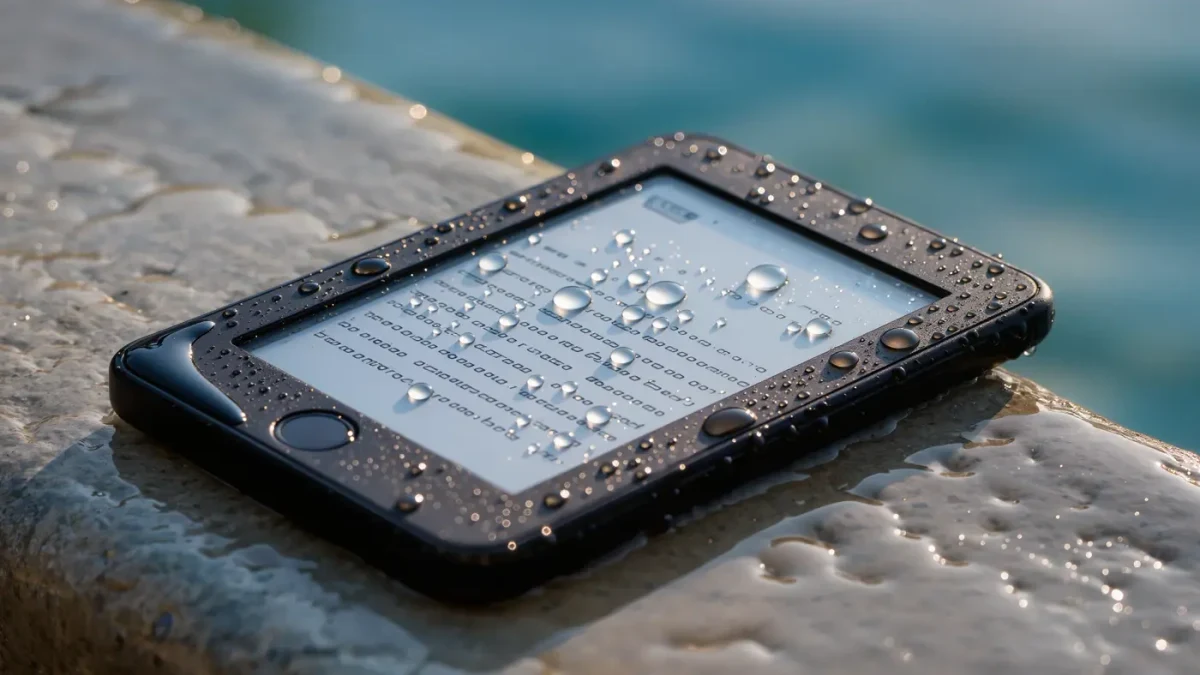
Not rubber corners alone. The Paperwhite Kids bundles the adult device with a protective cover and the two-year worry-free warranty — Amazon's promise to replace broken hardware rather than argue about it, per its product page. PCMag's review treats the package as the value. The hardware itself is the sturdy 7-inch, 300 ppi Paperwhite: light, grippy with the case on, and IPX8-rated, which matters in a juice-adjacent ecosystem.
What can parents actually control?
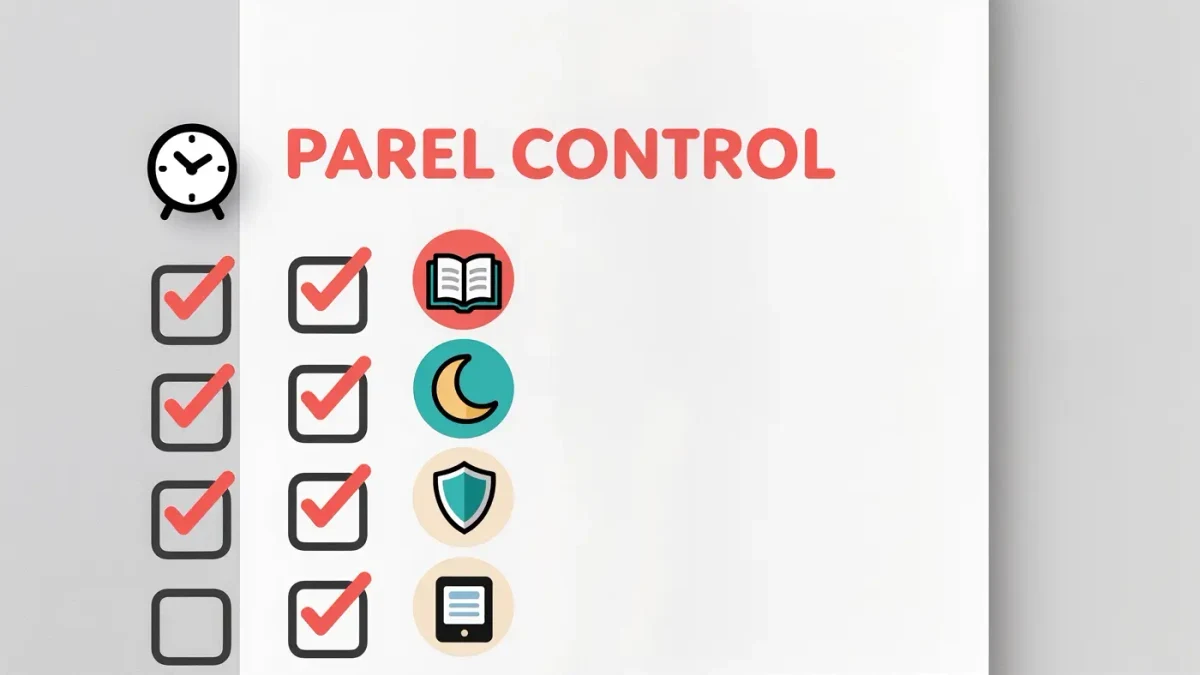
More than most households use. Per Amazon's help documentation, setup runs through the Parental Controls menu into Amazon Kids child profiles; from there the parent dashboard sets reading goals, device bedtimes and content access, and purchases require grown-up approval. The GoodEReader analysis credits the system as the reason to buy kids Kindles at all. Word of caution: none of the supplied coverage formally audited the controls for bypasses by determined ten-year-olds. History suggests respect, not certainty.
Does the battery survive a child?
The battery outlasts the attention span. The kids Paperwhite shares the adult model's twelve-week claim per Amazon's page — built, as ever, on gentle assumptions — and E Ink's page-turn power draw means the charger matters weekly at most. The genuine risk profile is mechanical: drops, zippers and sibling physics. That is precisely what the warranty line item answers. The screen is calm; the house is not.
What do they read, and who pays for it?
The bundle ships with six months of Amazon Kids+, Amazon's curated children's library, per its product page; after that it renews at whatever rate Amazon lists then, so calendar-reminder diligence is part of ownership. Purchased ebooks route through parent approval. Library borrowing works through the parent's setup on several platforms — we cover that machinery elsewhere — and paper books remain undefeated for picture-book ages; children's reading habits tracked by the National Center for Education Statistics long predate any screen. A reader for chapter-book age. The tablet question answers itself below.
How does the kids field compare?
| Device | Price with date | Why pick it | Skip it if… |
|---|---|---|---|
| Kindle Paperwhite Kids | $179.99, August 2026 | 7-inch 300 ppi, IPX8, cover, 6 months Kids+, 2-year warranty | Your reader is picture-book age — e-ink waits a few years |
| Kindle Kids (2024) | $129.99, August 2026 | Same warranty and Kids+ bundle, smaller upfront cost, per PCMag | Six inches and no water rating — poolside readers, look up one row |
| Kindle Colorsoft Kids bundle | about $328–350, August 2026 | Color covers and illustrations, per The Verge's deals coverage | The budget — it costs double the Paperwhite Kids for prettier shelves |
| Fire Kids tablet editions | per Amazon's listing, August 2026 | Video, apps and books on one cheap slab | Reading is the goal — tablets monetize distraction, and battery lasts days |
| Paper books | timeless | No setup, no subscription, no charging, no dashboard | Chapter-book volume readers outgrow backpack capacity by volume three |
Final verdict
First device for a chapter-book reader: the Paperwhite Kids at $179.99 — the warranty absorbs the learning curve, and the dashboard does the nagging for you. Budget version of the same idea: the $129.99 Kindle Kids, per PCMag, for careful readers on dry land. Upgrading a family already inside Amazon: the Colorsoft Kids bundle is lovely and unnecessary; spend the difference on books.
Platform and region caveats: prices and the Kids+ catalog are US-listed as of August 2026, and the kids editions run Amazon software exclusively — Kobo offers no equivalent kids bundle in the supplied coverage. What the sources did not establish: none of the supplied coverage tested parental-control bypass resistance, measured children's reading outcomes on e-readers versus paper, or verified the warranty claim rate. The controls are good. The parenting remains analog.
Frequently asked questions
Is a kids Kindle better than a tablet for reading?
For reading, yes — E Ink's single-purpose calm removes the app store from the negotiation, and the battery claim spans weeks, not evenings, per Amazon's specs. Tablets win on color picture books and video, which is precisely the point of not buying one. The device that cannot play games never gets asked to.
Can a child buy books without permission?
No — purchases route through parent approval under Amazon Kids profiles, per Amazon's help documentation, and the dashboard shows what was requested and read. Add a store gift card rather than a card on file for extra certainty. The controls are real. The ten-minute setup is the price.
What happens when the six months of Kids+ end?
The subscription renews at Amazon's then-current rate unless you cancel, per the bundle terms — set a reminder for month five. Cancelled or expired, purchased books and the device itself keep working; only the curated catalog rotates out. The library you bought is the library you keep.
At what age does an e-reader make sense?
Chapter-book age, roughly — when independent reading replaces read-alouds. Younger children get more from picture books, where print and color still dominate, a reading-pattern reality reflected in the National Center for Education Statistics' long-run data. The warranty makes early adoption cheap. The interest makes it worthwhile.